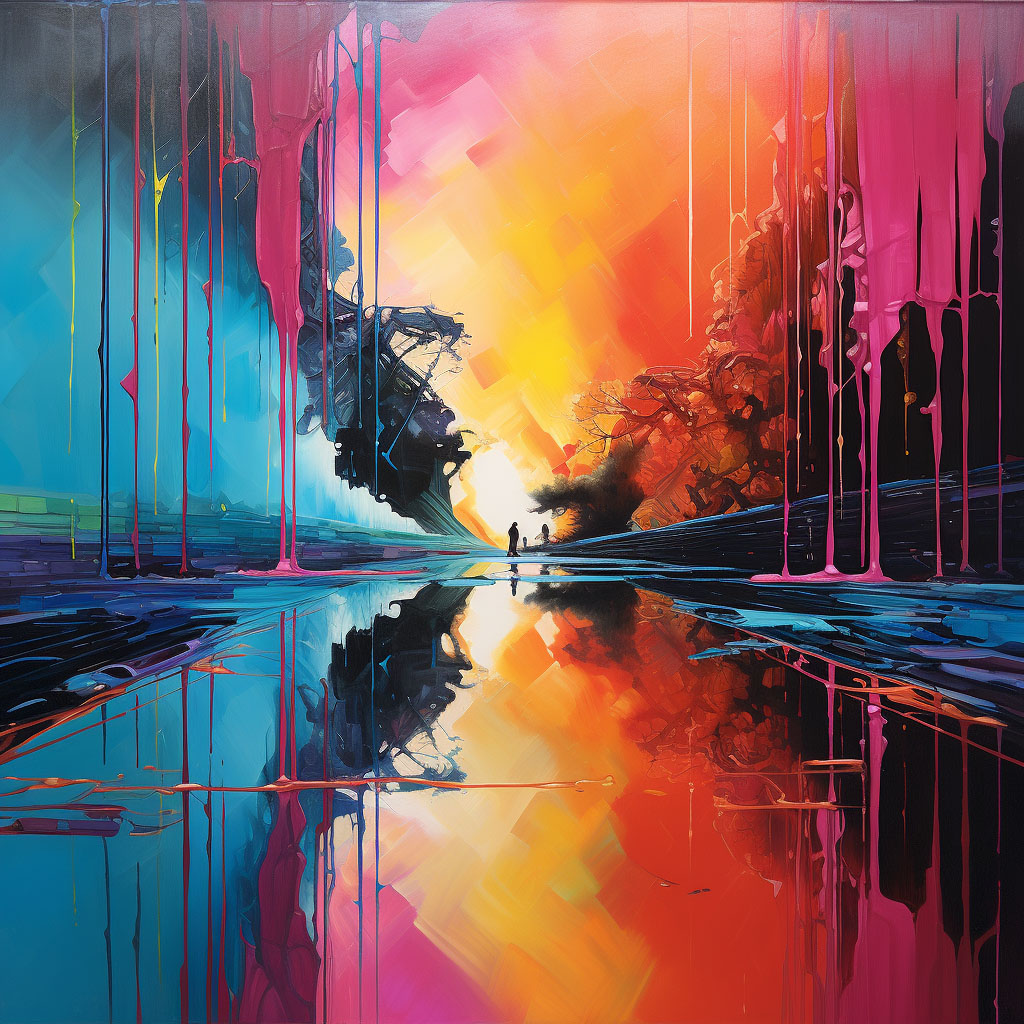
Welcome to Deconstruction – a captivating journey into the very essence of art itself. This article is the first in a series where we will peel back the layers of different artistic genres, unveiling their rich histories and defining characteristics, with a nod the visionary minds behind them.
But the magic truly begins in our deconstruction phase. We’ll dissect these genres, distilling them into a mosaic of words and descriptive phrases that unlock the secrets of techniques, styles, and mediums. Get ready to embark on a quest to empower AI artists and creators, as we unlock the doors to endless possibilities in the realm of artistic expression.
- History of Abstract Expressionism
- Definition of Abstract Expressionism
- Sub-Genres
- Major Artists and Their Contributions
- Deconstruction
- Visual Examples
- More Resources
History of Abstract Expressionism
Abstract Expressionism emerged as a pivotal art movement in the mid-20th century, marking a significant departure from traditional artistic conventions. It sought to capture the raw emotion and inner psyche of the artist, often manifesting in non-representational, free-form, and non-geometric compositions. As one of the first truly American avant-garde movements, Abstract Expressionism gained prominence in the post-World War II era, particularly in New York City. Its significance in the 20th century cannot be understated; not only did it redefine artistic expression, but it also positioned New York as the new epicenter of the art world, shifting the focus from Europe. The movement’s profound influence resonated in subsequent art genres and solidified its place in the annals of art history.
Definition of Abstract Expressionism
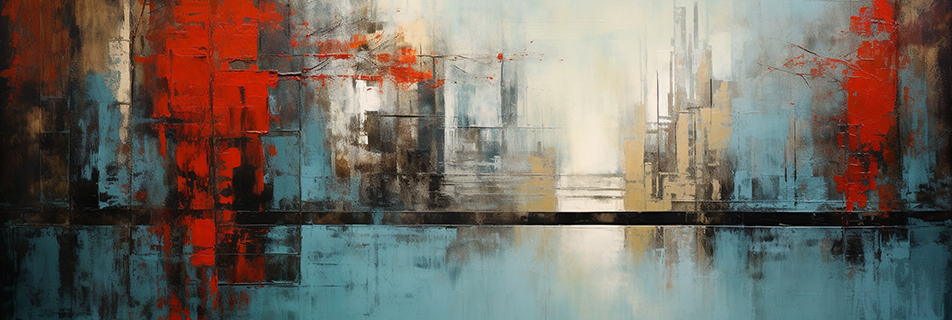
Abstract Expressionism is an art movement that champions the unbridled expression of the artist’s innermost emotions and psyche. At its core, it values the spontaneous and automatic processes, often allowing the subconscious mind to take the lead in the creative journey. This approach results in artworks that are less premeditated and more instinctual, capturing the raw essence of the artist’s feelings and thoughts at that very moment.
This emphasis on emotion and the human psyche sets Abstract Expressionism apart from traditional art styles. While classical art often adheres to representational or geometric forms, aiming to depict reality or idealized visions thereof, Abstract Expressionism breaks free from these confines. It ventures into a realm where art is non-representational, free-form, and devoid of strict geometric structures. This divergence from convention allows artists to explore and depict the complexities of human emotion in its purest form, unbounded by the limitations of realistic representation.
Sub-Genres
Within the broad spectrum of Abstract Expressionism, there are distinct sub-genres that artists explored:
Action Painting: This style places a strong emphasis on the physical act of painting itself. The canvas becomes an arena for the artist’s direct expression, where every brushstroke and drip is a testament to the artist’s emotional state.
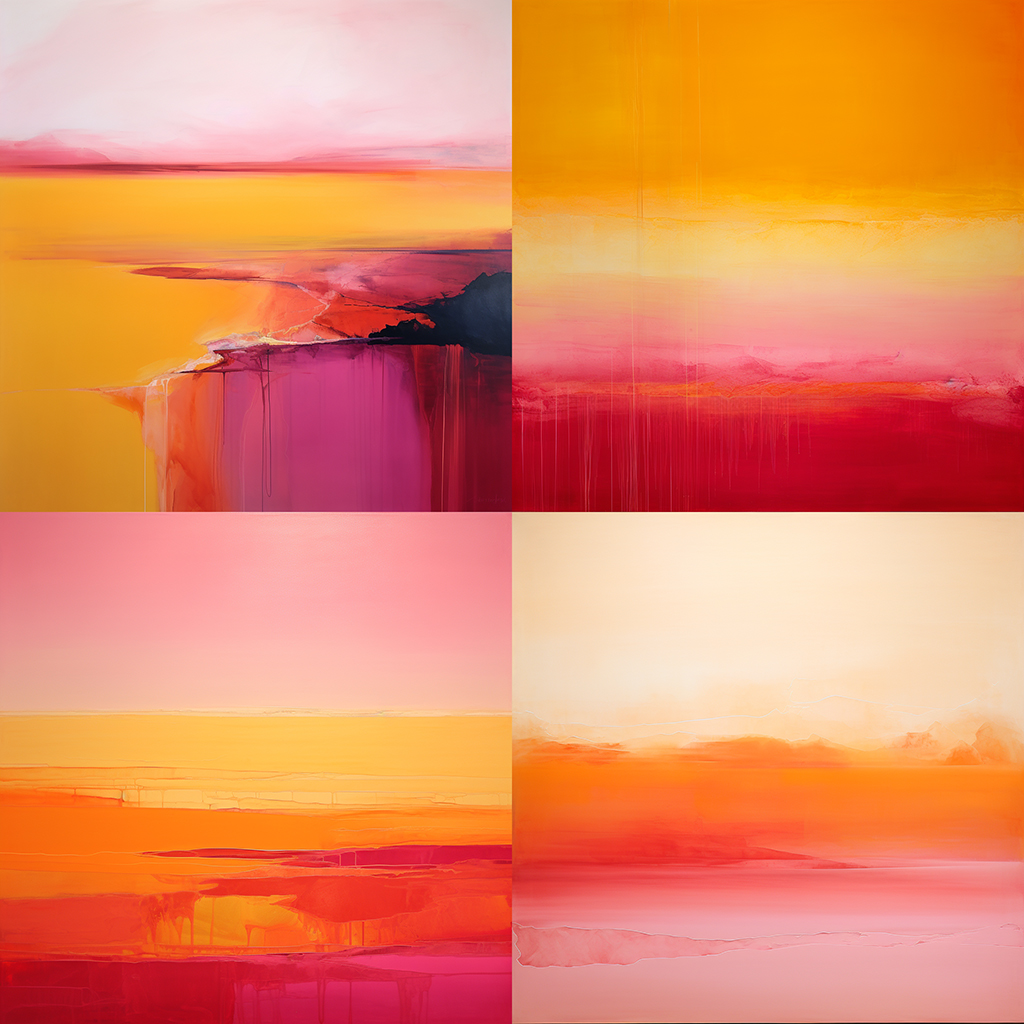
Color Field Painting: Here, artists use vast expanses of a single color, creating a powerful visual experience. The simplicity of these large color areas is meant to evoke deep emotions and set a specific mood for the viewer.
Major Artists and Their Contributions
- Jackson Pollock: Renowned for his “drip paintings,” Pollock introduced the dynamic action painting technique.
- Willem de Kooning: De Kooning masterfully blended abstract elements with subtle figurative hints in his works.
- Mark Rothko: Rothko’s Color Field paintings are celebrated for their deep emotional resonance.
- Clyfford Still: Known for his distinctive art featuring cracked textures and sharp, jagged forms.
Deconstruction
Abstract Expressionism is distinguished by several key characteristics that define its style, technique, and medium. One of the most notable features is the use of large-scale canvases. These expansive surfaces become a playground for the artist’s expression, allowing for grand gestures and a powerful visual impact. The artists often utilized bold and vibrant colors, contributing to the emotive intensity and dynamic nature of the artworks. The choice of color wasn’t just about aesthetics; it was a crucial element in conveying emotions and creating an atmosphere within the artwork.
In terms of technique, Abstract Expressionists were innovative and experimental. They embraced methods such as dripping, pouring, and smearing paint onto the canvas. These techniques facilitated a more spontaneous and physical engagement with the artwork, often leading to unexpected and organic results. The mediums used were also manipulated in novel ways, with artists exploring the textures and forms that could be created with paint. Unusual items were sometimes found in the paint mixture. Ink from newspaper prints, ashes from cigarettes, bottle caps, even shoeprints.
Another defining characteristic is the emphasis on the physical act of painting. The artists immersed themselves in the creation process, allowing their bodies and movements to influence the strokes and shapes appearing on the canvas. This physical involvement added a performative aspect to the painting process, making the act of creation as essential as the finished artwork itself. The combination of these characteristics—large canvases, bold colors, innovative techniques, and physical engagement—contributed to the unique and impactful style of Abstract Expressionism.
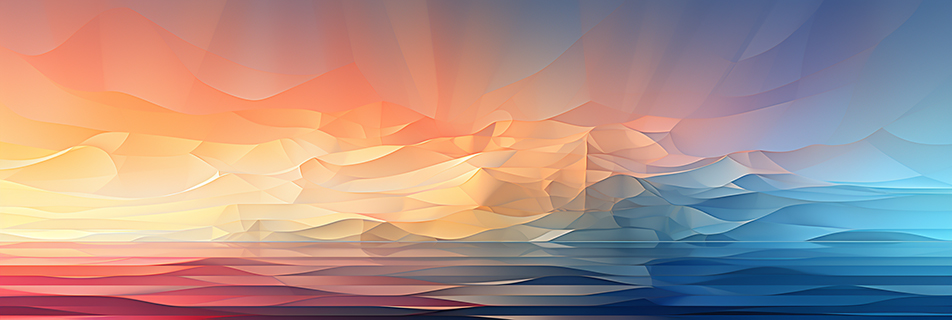
| Technique | Description |
| Gestural painting | Emphasis on the movement and gesture of the artist. |
| Layering | Applying multiple layers of paint for depth and texture.| |
| Dripping | Allowing paint to drip on the canvas. |
| Blurring | Softening edges and blending colors. |
| Impasto | Thick application of paint creating texture. |
| Palette knife | Using a knife to apply or scrape off paint. |
| Atmospheric perspective | Creating depth through color and tonal changes. |
| Soft brushwork | Gentle and flowing strokes, often with a soft brush. |
| Glazing | Thin, transparent layers of paint. |
| Wet on wet | Applying wet paint onto wet paint for blending. |
| Dry Brush | Using a brush with minimal paint for a scratchy look. |
| Hard-edge Painting | Painting style that has abrupt transitions between color areas. |
| All-over painting | Covering the entire canvas without a central focus. |
| Sgraffito | Scratching the surface to reveal underlying layers. |
| Medium | Description |
| Nontraditional medium | Materials not typically used in fine art: coffee, sand, even ash. |
| Unprimed canvas | Canvas without the protective layer allows paint/ink/etc to sink into the canvas giving a different texture |
| Commercial paint | Paints not designed for art, wall paint, automotive paint, etc |
| Found items | Items found and incorporated into artwork, often discarded or trashed items |
| Mixed media | Combination of mediums: different paints, paint and ink, etc |
| Style | Description |
| Spontaneous | Unplanned, instinctive brushwork and composition. |
| Emotional intensity | Conveying strong emotions through color and form. |
| Fluidity | Smooth transitions and flow in the artwork. |
| Loose forms | Undefined and open forms, avoiding strict definition. |
| Automatism | Creating without conscious thought, tapping the subconscious. |
| Abstracted figures | Representing figures in a non-literal or distorted way. |
| Energetic | Dynamic and lively brushwork. |
| Non-representational | Not aiming to represent specific objects or scenes. |
| Random | Lack of pattern or predictability |
| Color-zone/Color-field painting | Using large areas of a single color to convey emotion or meaning. |
Visual Examples
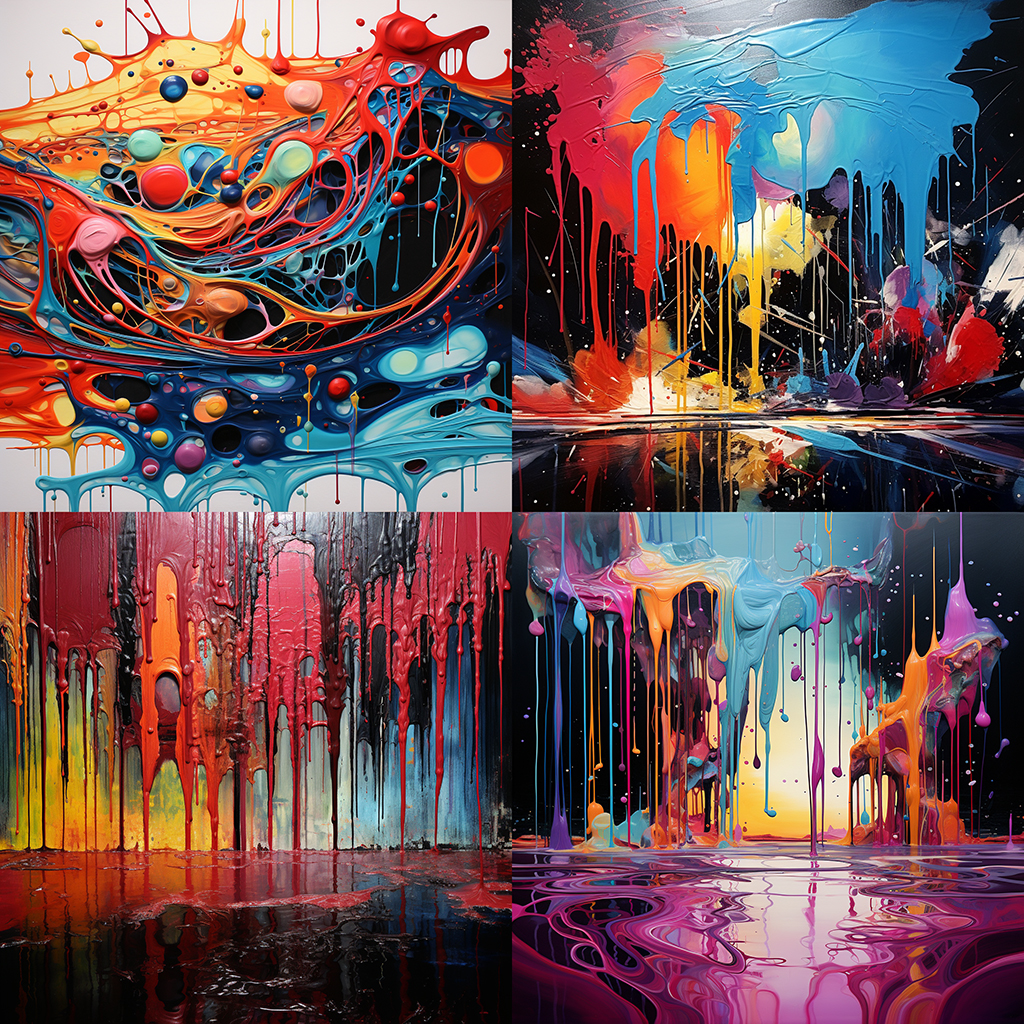
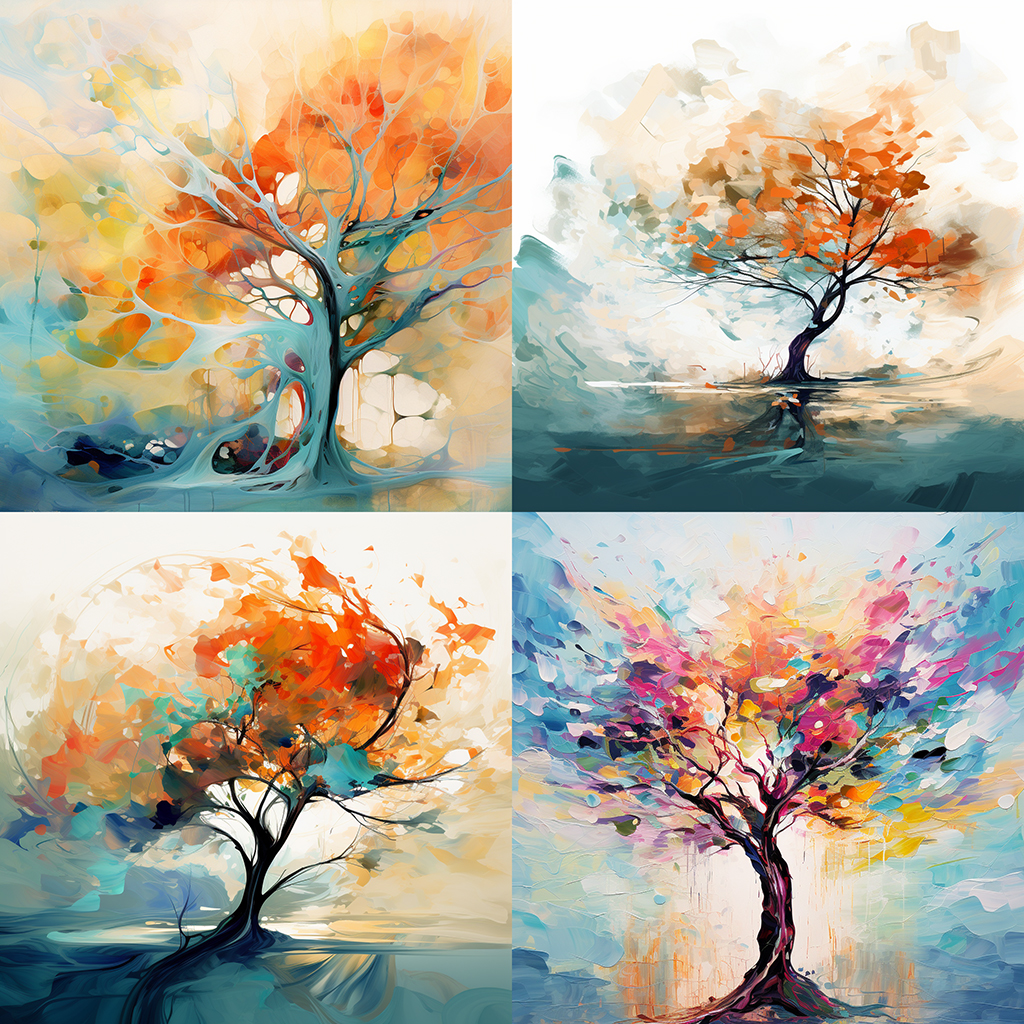
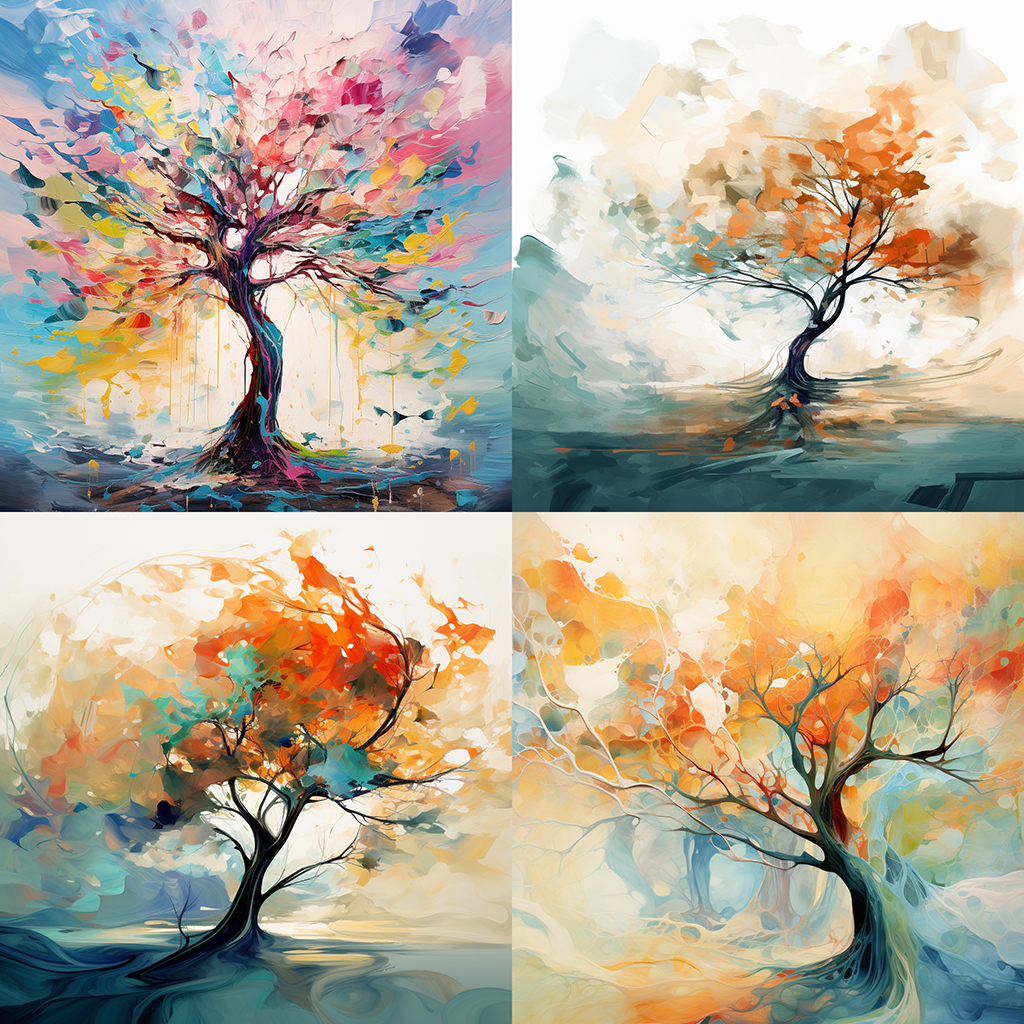
Now that you have a list of terms to work with. Here are some examples (complete with prompts) to get you started. Try some experimentation, you can easily change things up alot by adding the --stylize parameter (crank it to the max and see what you get!)
/imagine prompt: crescent moon abstract expressionism:: layering atmospheric perspective abstracted figures loose forms nonrepresentational::9
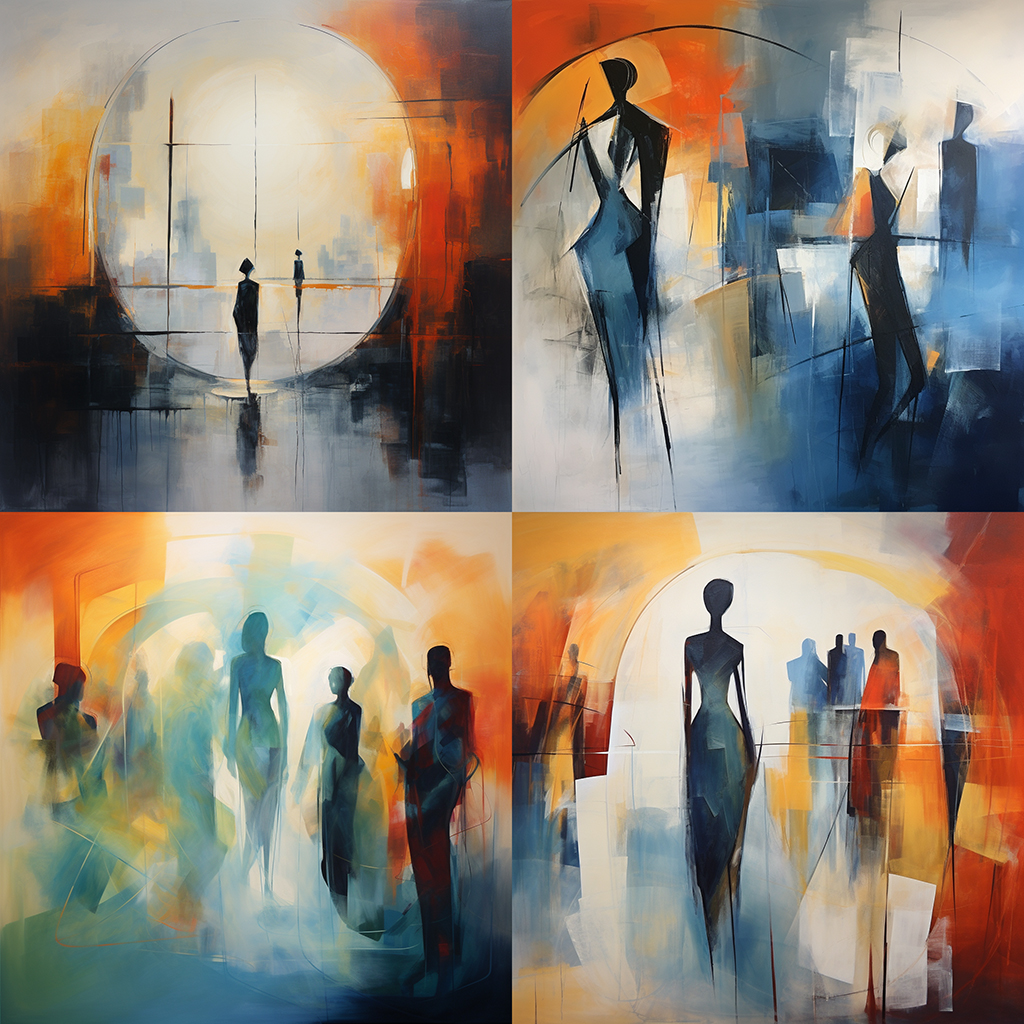
/imagine prompt: crescent moon abstract expressionism:: layering atmospheric perspective abstracted figures loose forms nonrepresentational::9
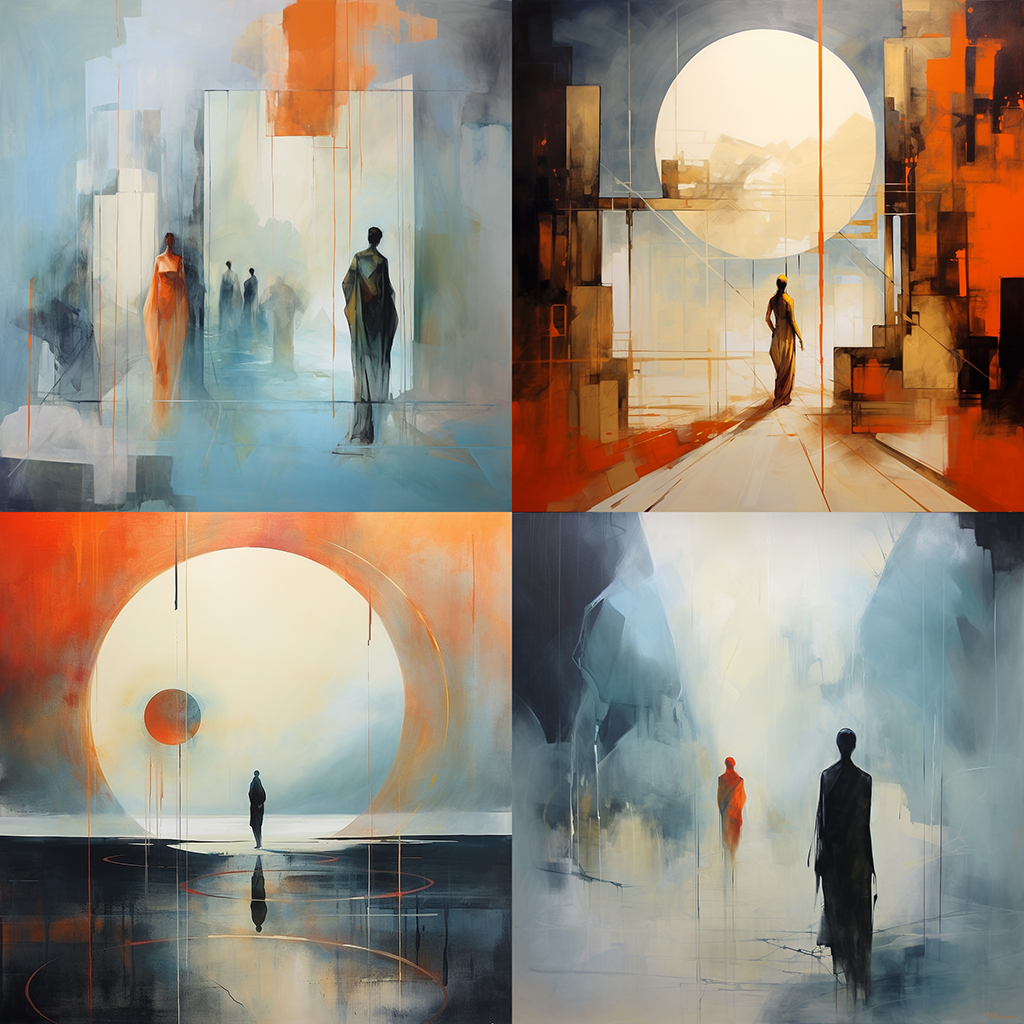
/imagine prompt: abstract serenity:: hard-edge painting, color-zone, dripping, non representational, sgraffito
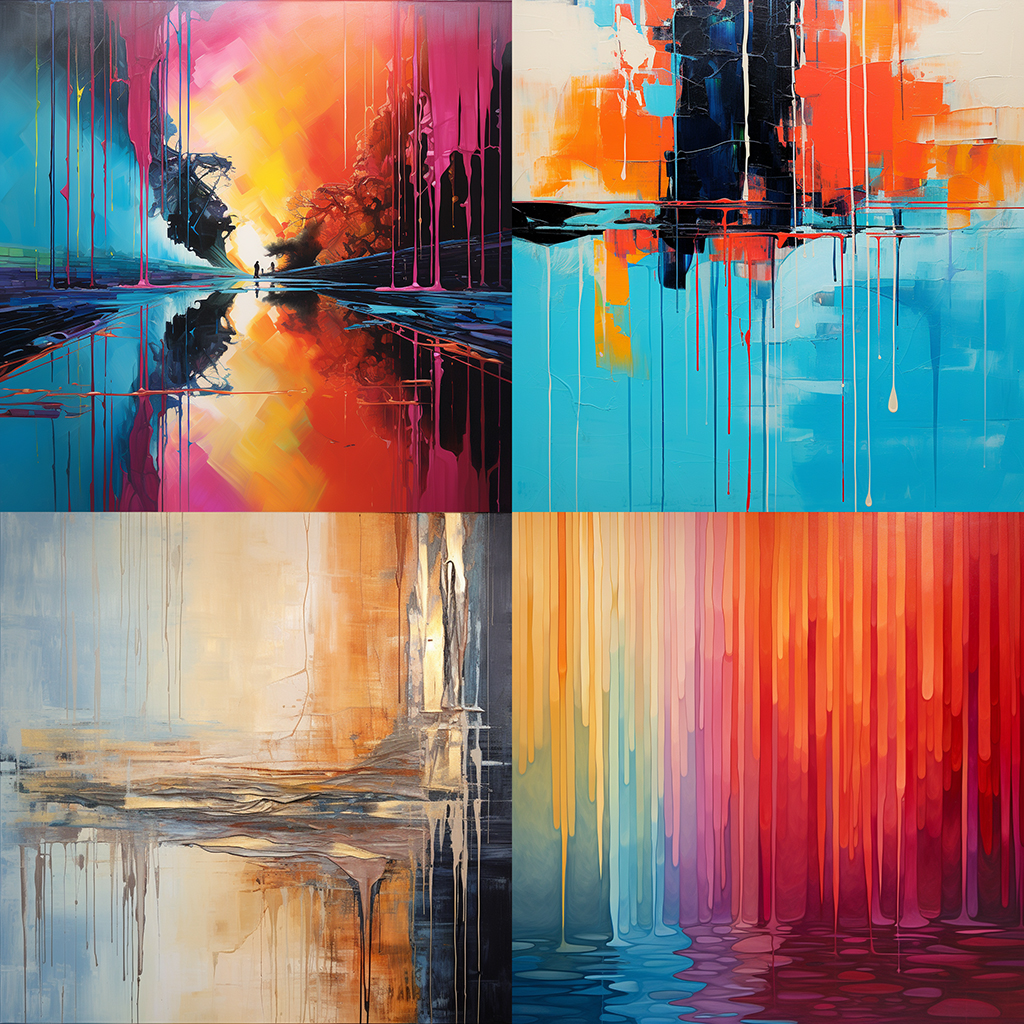
/imagine prompt: abstract rage:: hard-edge painting, color-zone, dripping, non representational, sgraffito::
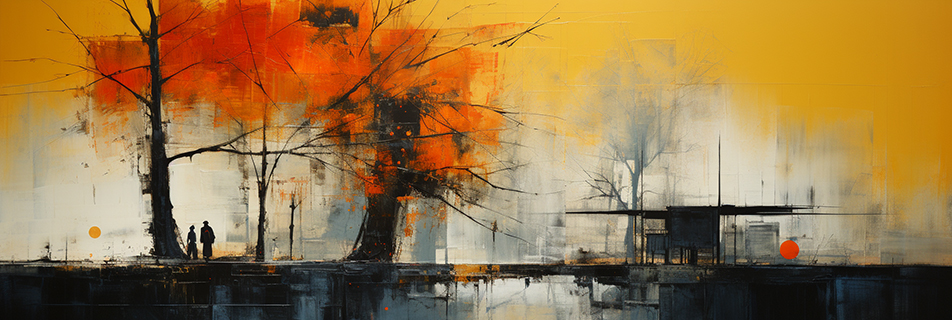
/imagine prompt: abstract digital tree:: fluidity, loose forms, wet on wet, palette knife, gestural painting:: --seed 684623935
/imagine prompt: abstract digital tree:: fluidity, loose forms, wet on wet, palette knife, gestural painting unprimed canvas:: --seed 684623935
/imagine prompt: an abstract painting of orange and red colors, in the style of minimalist color field, romanticized seascapes, sombre, transparent layers, horizons, industrial paintings, high horizon lines
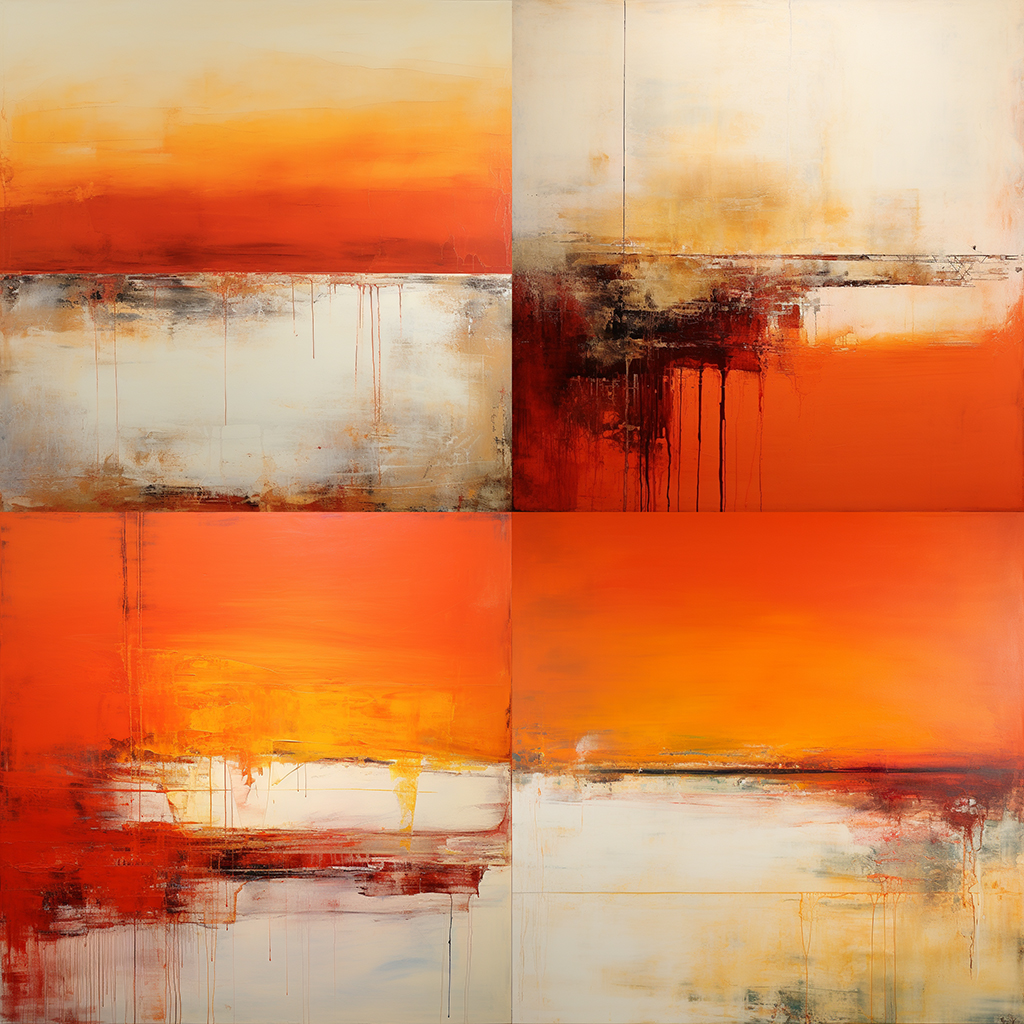
/imagine prompt: an orange color-field painting, in the style of dark pink and dark amber, high horizon lines, translucent layers, oil on canvas, color gradient, vibrant, lively
I hope this article helps you in your understanding of abstract expressionism. If this information is helpful, please subscribe to my newsletter so that you can be updated when the next article comes out. If there is a particular style you would like to cover, let me know in the comments; any thoughts or ideas are welcome.
More Resources
If you are newer to Midjourney or Discord see Midjourney: Get started and Setting Up Discord.
If you need more help with prompting see the prompting guide or check out these premade prompts.
If you need help fixing/perfecting an image see this guide.
If you are interested in AI art see here and here.
 Art Method Lab
You must be logged in to post a comment.