
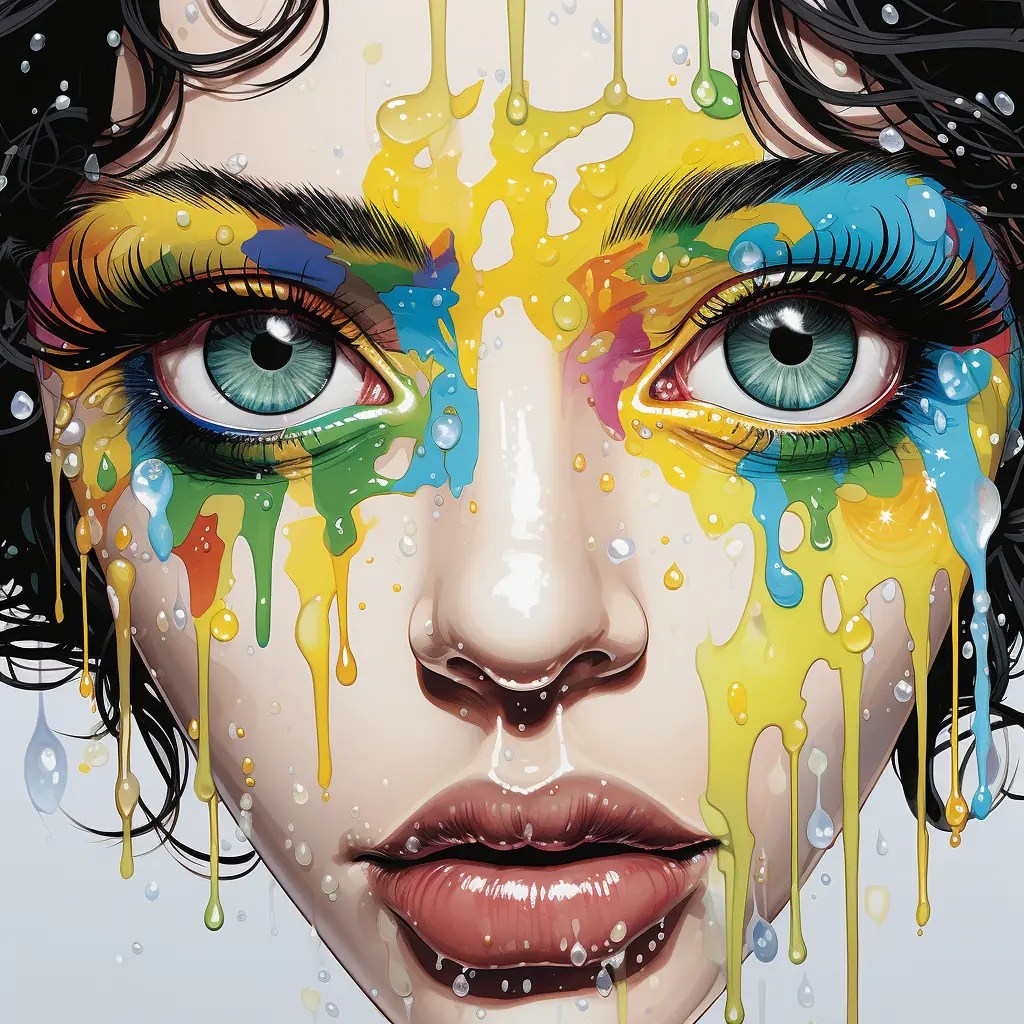
Pop Art emerges as a bold, iconoclastic patchwork, a genre that dared to redefine the contours of artistic expression. Amidst the post-war milieu, a group of audacious artists embarked on an unorthodox quest, challenging the sanctified boundaries between high art and popular culture. With their canvases awash in the colors of commercialism and the imagery of everyday life, these visionaries not only mirrored society but also subtly critiqued it. From the soup cans that questioned the very essence of art to comic strips that leaped off the page into the realm of fine art, Pop Art stood as a defiant response to traditional artistic norms. As we peel back the layers of this influential movement, let us immerse ourselves in its history, its bold defiance of convention, and the artists who became the standard-bearers of a revolution in visual culture.
- History of Pop Art
- Definition of Pop Art
- Subgenres of Pop Art
- Major Artists and Their Contributions
- Deconstruction
- Visual Examples
- More Resources
History of Pop Art
Tracing the lineage of Pop Art leads us to the bustling post-war streets of London and New York, where the movement first sprouted its unconventional roots. In the UK, the early 1950s saw the formation of the Independent Group, a collective of forward-thinking artists, writers, and critics. Among them, Eduardo Paolozzi and Richard Hamilton stood out as pioneering figures, crafting collages that embodied a nascent rebellion against artistic norms and a fascination with the burgeoning consumer culture of America. Their work reflected a complex relationship with American popular culture, at once celebrating and critiquing its pervasive influence.
Across the Atlantic, American artists were grappling with a similar shift in perspective. Rejecting the introspective tendencies of Abstract Expressionism, they embraced the external, vibrant world of mass media and consumerism. By the 1960s, this fascination evolved into a full-fledged movement. Artists like Andy Warhol, James Rosenquist, and Roy Lichtenstein emerged as prominent figures, each bringing a unique voice to the movement. Warhol’s replication of consumer goods and celebrity culture, Rosenquist’s large-scale, collage-style paintings, and Lichtenstein’s comic-strip adaptations collectively redefined the art landscape. Their works, a blend of commercial aesthetics and artistic innovation, mirrored the rapidly changing society around them.
As Pop Art evolved, it expanded beyond the UK and USA, influencing and being influenced by other movements such as Capitalist Realism in Germany and Nouveau Réalisme in France. This global dialogue further enriched the movement, allowing it to critique and celebrate the mass media and consumer culture that had become so integral to post-war life. The movement’s legacy, deeply intertwined with the cultural and social transformations of its time, continues to inspire and challenge the art world to this day.
Definition of Pop Art
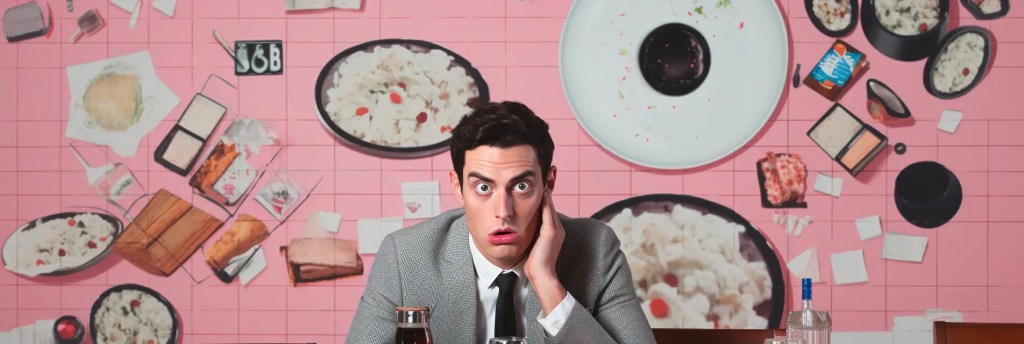
Pop Art, a movement that emerged in the mid-20th century, stands as a defiant contradiction to the established norms of traditional art. It represents a paradigm shift, where the focus pivots from the elitist ‘high art’ to the everyday elements of popular culture and mass media. Characterized by its vibrant colors, bold imagery, and an often ironic or satirical edge, Pop Art blurs the line between commercial art and fine art. It thrives on the visual vocabulary of advertising, comic books, and mundane consumer products, transforming them into subjects worthy of artistic exploration.
This movement was born out of a desire to bridge the gap between the artist and society, to make art accessible and relatable. By integrating elements of popular culture, Pop Art artists sought to reflect the realities of a rapidly changing society inundated with mass-produced images and consumer goods. It was a reaction against the abstract expressionism of the time, which was seen as overly introspective and disconnected from the real world. Pop Art, with its emphasis on materialism and media, posed critical questions about the nature of art, the role of the artist, and the relationship between art and consumer culture. Its legacy lies in its democratization of art subjects, its challenge to traditional hierarchies in art, and its enduring influence on how we perceive the relationship between art, culture, and society.
Subgenres of Pop Art
UK vs. USA Stylistic Differences:
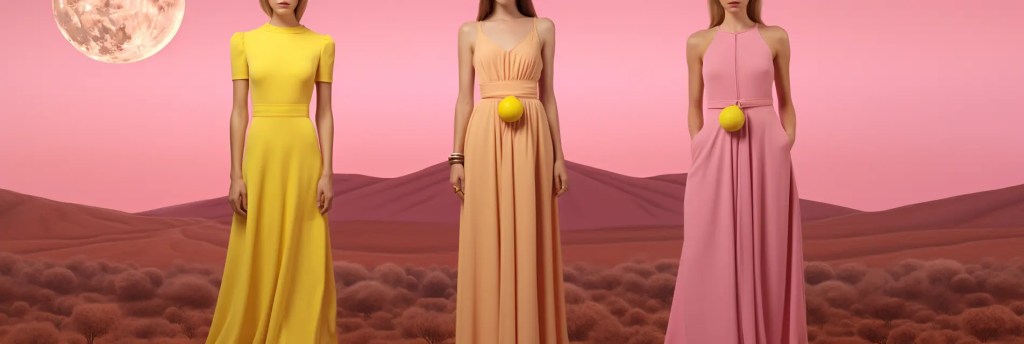
The Pop Art movement, while cohesive in its core principles, manifested distinctively on either side of the Atlantic. In the UK, artists like Eduardo Paolozzi and Richard Hamilton infused their works with a more intellectual, analytical approach, reflecting a complex and often critical view of American consumer culture. Their art often merged a mix of irony and admiration, a nuanced reflection of their ambivalent stance towards American pop culture. American Pop Art, led by figures like Andy Warhol and Roy Lichtenstein, was more direct and bold. It reveled in the glamor and superficiality of consumer culture, often celebrating, rather than critiquing, its ubiquity and influence in everyday life.
European Variants:
As Pop Art’s influence spread across the Atlantic, it inspired new movements that adapted its ethos to their local contexts. In Germany, Capitalist Realism emerged as a variant, led by artists like Gerhard Richter and Sigmar Polke. This movement mirrored some of Pop Art’s fascination with consumer culture but was tinged with a more overt political critique, reflecting the complexities of living in a divided Germany during the Cold War. In France, Nouveau Réalisme paralleled Pop Art’s interest in everyday objects and mass media. Artists like Yves Klein and Jean Tinguely focused on incorporating objects from daily life into their art, often in a more whimsical and abstract manner than their American counterparts. These European subgenres added new dimensions to the Pop Art movement, infusing it with local flavors and expanding its conceptual boundaries.
Major Artists and Their Contributions
Andy Warhol
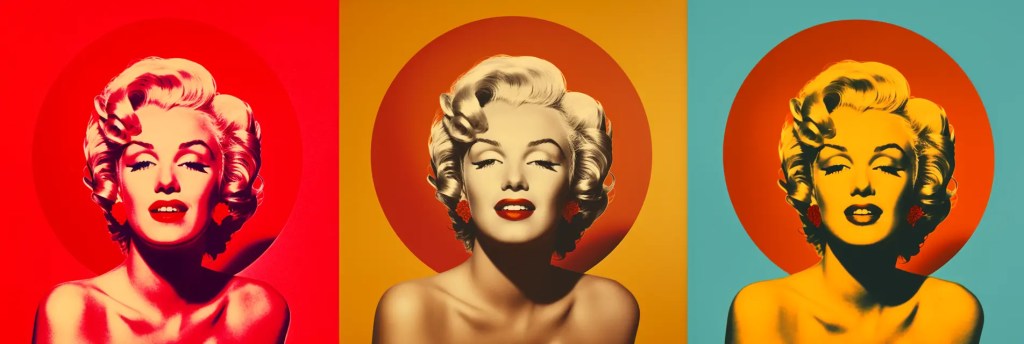
Often synonymous with Pop Art itself, Andy Warhol’s contributions were groundbreaking. He transformed the landscape of art with his iconic depictions of consumer goods and celebrities. His approach to art was revolutionary, using screen printing to replicate images like the Campbell’s soup cans and portraits of Marilyn Monroe. Warhol’s work questioned the notions of originality and authenticity in art, presenting a bold commentary on consumerism and fame.
James Rosenquist
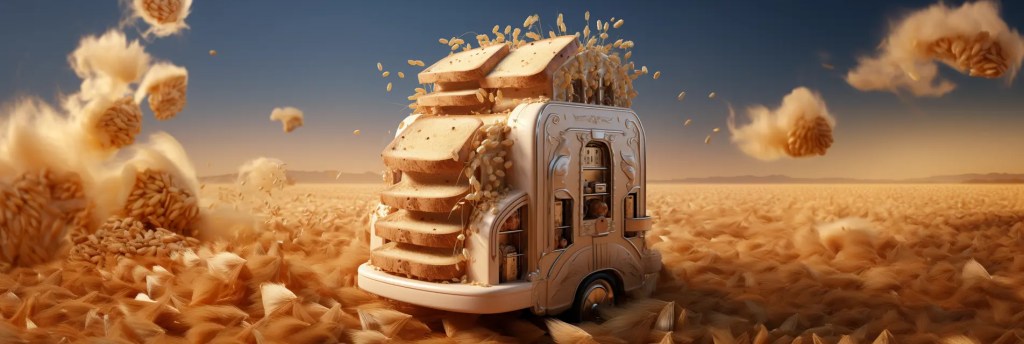
Known for his monumental, collage-style works, Rosenquist brought a unique perspective to Pop Art. His pieces, such as the colossal ‘F-111’, combined various real images, offering a critique of the sensory overload inherent in contemporary advertising. His background in billboard painting enabled him to create large-scale works that blurred the line between commercial and fine art, capturing the frenetic pace of modern life.
Roy Lichtenstein
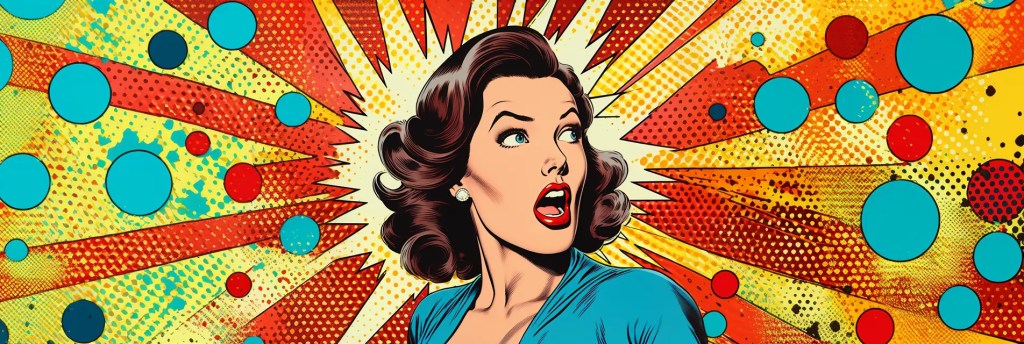
Lichtenstein brought a distinctive approach to Pop Art by drawing inspiration from comic strips. He meticulously recreated comic book aesthetics in his paintings, complete with Ben Day dots – a technique used in comic book printing. By cropping and altering these comic panels, Lichtenstein’s work played with context and narrative, producing pieces that were at once familiar and provocatively new. His work challenged preconceived notions of what could be considered high art, merging popular culture with traditional artistic techniques.
Deconstruction
Pop Art is characterized by its vibrant use of bold colors and its embrace of mass culture imagery, often blurring the lines between high art and commercial aesthetics. The movement thrived on irony, satire, and the appropriation of popular and consumerist iconography, challenging traditional artistic values.
| Technique | Description |
| Screen Printing | Method of creating images through stencil and ink. |
| Collage | Assembling different forms to create a new work. |
| Appropriation | Borrowing elements from other works or styles. |
| Repetition | Using the same element repeatedly in artwork. |
| Commercial Techniques | Techniques derived from advertising and marketing. |
| Brillo Box Technique | Technique of replicating commercial packaging in art. |
| Hand-Painted Comic Technique | Mimicking comic book style in hand-painted works. |
| Photo-Realism | Art that resembles high-resolution photography. |
| Ben Day Dots | Small colored dots seen in comic books, a byproduct of the printing process. (In Midjourney, “halftone pattern” with “–style raw” may work if “Ben Day Dots” doesn’t. Use “–style raw” with “Ben Day Dots” as well. Additionally, “Ben Day Dots” seems to violate content policy when using Dall-e, use “halftone pattern” there too.) |
| Silkscreen | A technique for printing designs on fabric or paper. |
| Medium | Description |
| Oil Paint | Traditional paint medium using oil-based pigments. |
| Acrylic Paint | Fast-drying paint made of pigment suspended in acrylic polymer. |
| Mixed media | Combination of mediums |
| Metal | Used in sculptures and mixed media works, sometimes metallic paints and finishes were used. |
| Photography | Photo-silkscreen, Photo-collage, Polaroid, Commercial, Experimental |
| Printmaking | Art of creating artworks by printing, typically on paper. |
| Paper | Silkscreen paper, glossy paper, newsprint, canvas |
| Wood | Typically used as a sculptural medium, installation art, relief works, or assemblage art |
| Style | Description |
| Bold Color | Vivid, striking use of color to draw attention. |
| Irony | Use of humor to criticize or mock traditional art. |
| Parody | Imitation of other works with humorous effect. |
| Mass Culture Imagery | Incorporation of popular culture and media images. |
| Consumerism | Focus on consumer goods and materialism. |
| Kitsch | Art that is considered lowbrow or gaudy. |
| Satire | Use of humor or ridicule to expose follies. |
| Flat Imagery | Lack of depth or perspective, emphasizing surface. |
| Cultural Commentary | Reflection on societal values and norms. |
| Everyday Objects | Ordinary items as subjects in art. |
Visual Examples
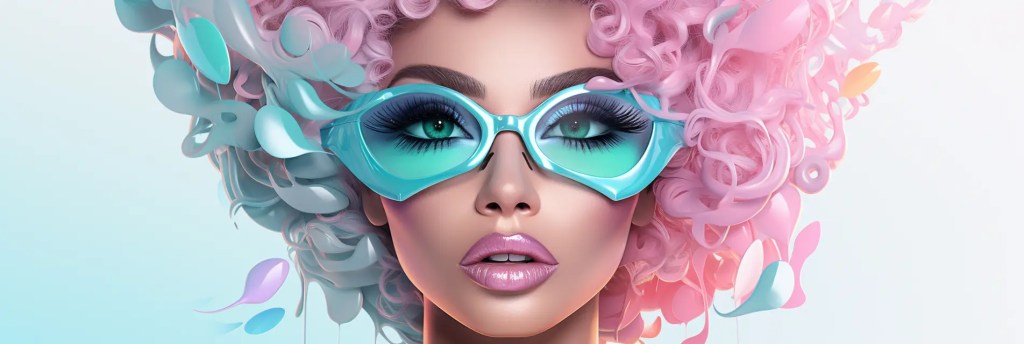
Time to experiment! As always, you will get the most mileage when you mix this list with other common styles and mediums.
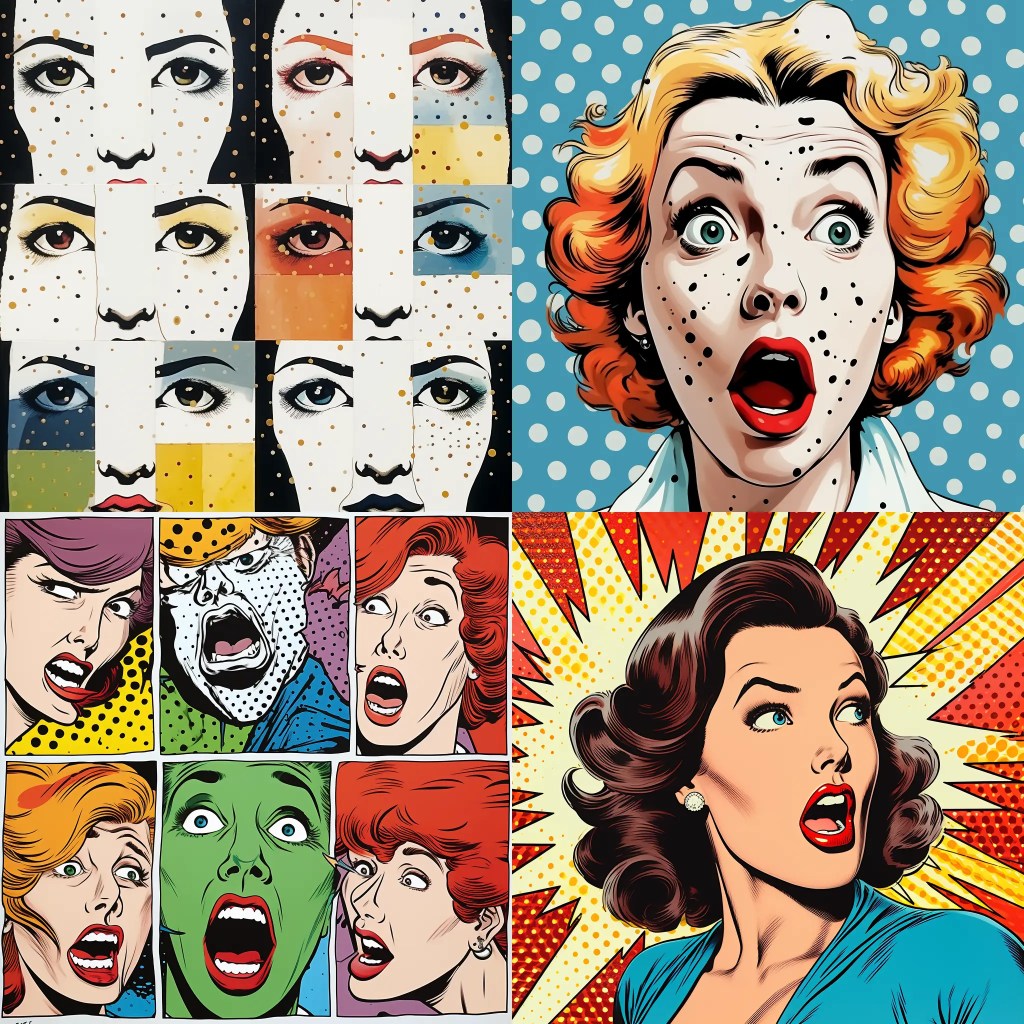
/imagine prompt: heroine comic strip panels, dramatic narratives, hand-painted precision, melodramatic mood, parody of mass media themes:: pop art polka dot ben-day dots::3 --chaos 20 --stylize 125 --style raw
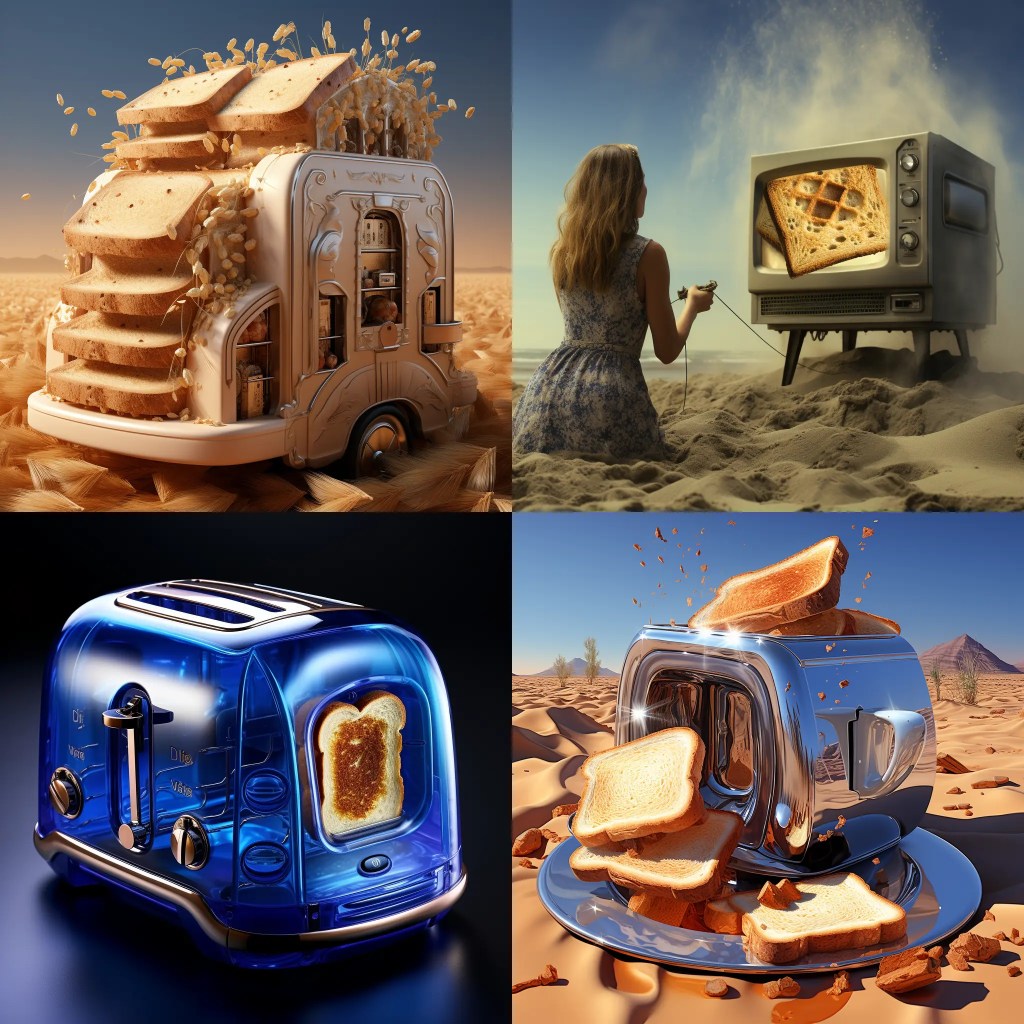
/imagine prompt: futuristic toaster:: oversized commercial imagery, fragmented composition, surrealist influence, mixed-media collage technique, dreamlike atmosphere, critique of consumer culture themes:: --chaos 20 --stylize 125
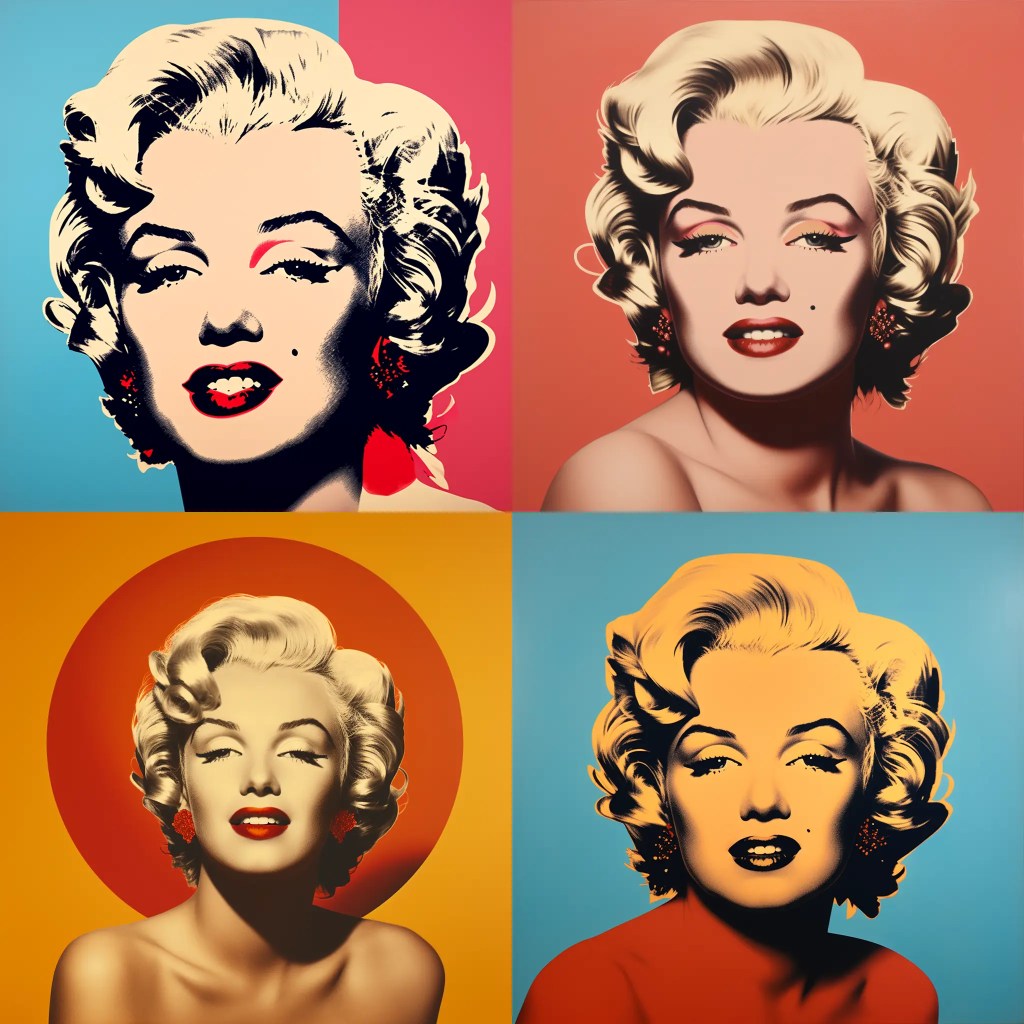
/imagine prompt: marilyn monroe:: vibrant repeated silkscreens, celebrity and consumer goods imagery, bold color contrasts, photo-based stencil technique, ironic mood, 1960s cultural revolution themes:: --chaos 20 --stylize 125 --style raw
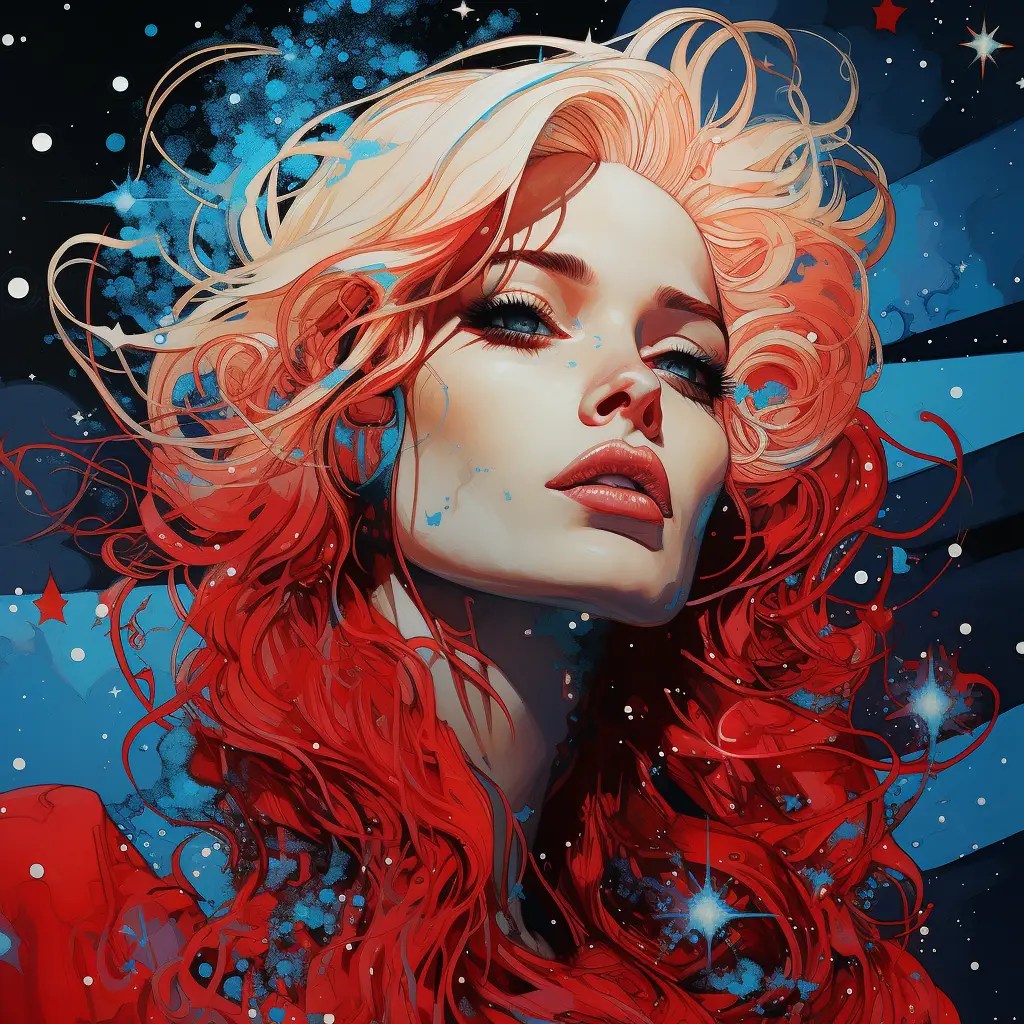
/imagine prompt: bold digital synthesis, comic-inspired omnipotent forms, satirical neon contrast, mixed media screen printing, lively otherworldly mood, pop culture meets biomechanical mythology --chaos 20 --stylize 125
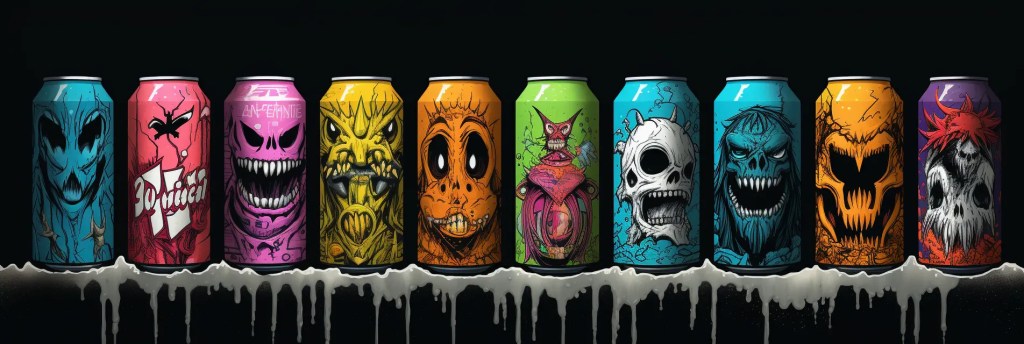
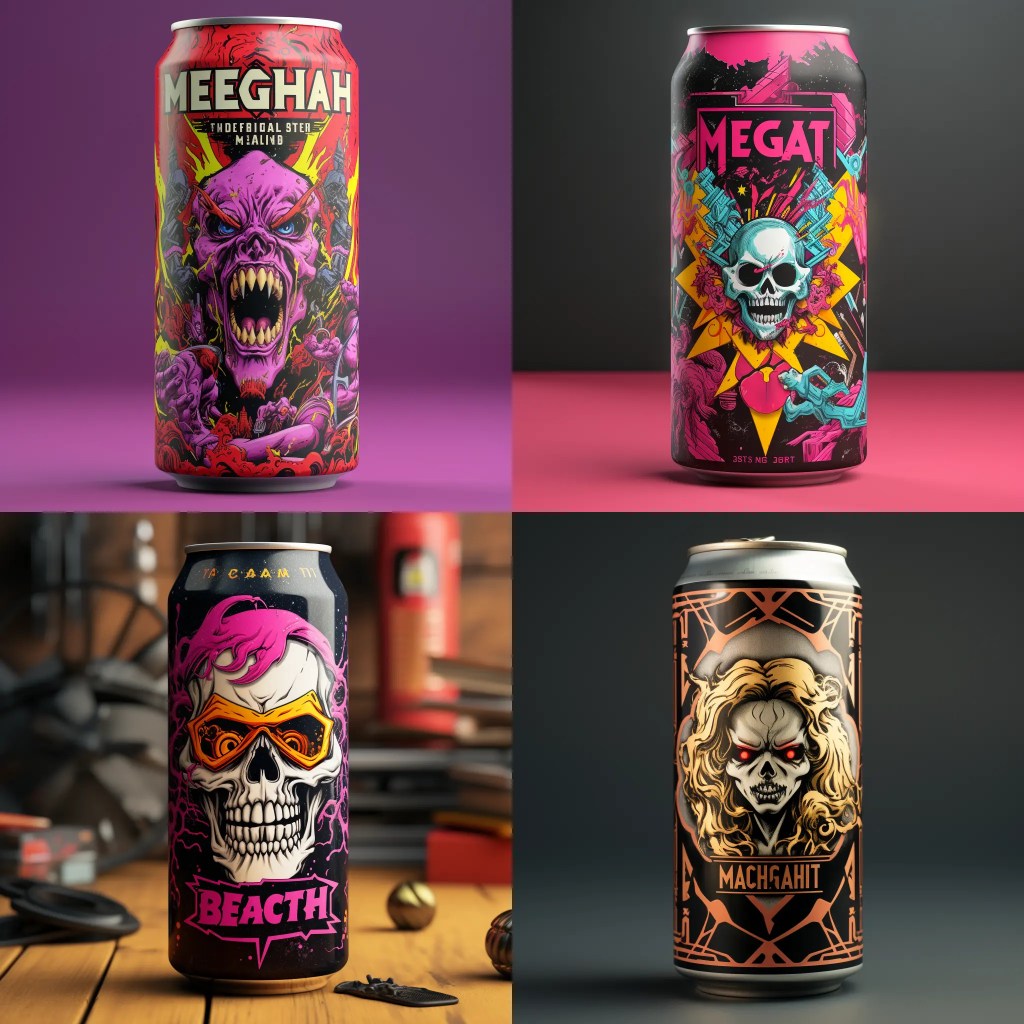
/imagine prompt: megadeath energy drink::2 bright bold colors, comic book aesthetic, mass culture subjects, screen printing techniques, vibrant mood, consumerism and popular culture themes:: --chaos 20 --stylize 125
What do you think of this breakdown of Pop Art style? If this information is helpful, subscribe to my newsletter below so that you can be updated when the next article comes out. If there is a particular style you would like me to deconstruct, let me know in the comments; any thoughts or ideas are welcome.
More Resources
If you are newer to Midjourney or Discord see Midjourney: Get started and Setting Up Discord.
If you need more help with prompting see the prompting guide or check out these premade prompts.
If you need help fixing/perfecting an image see this guide.
If you are interested in AI art see here and here.


 Art Method Lab
You must be logged in to post a comment.