
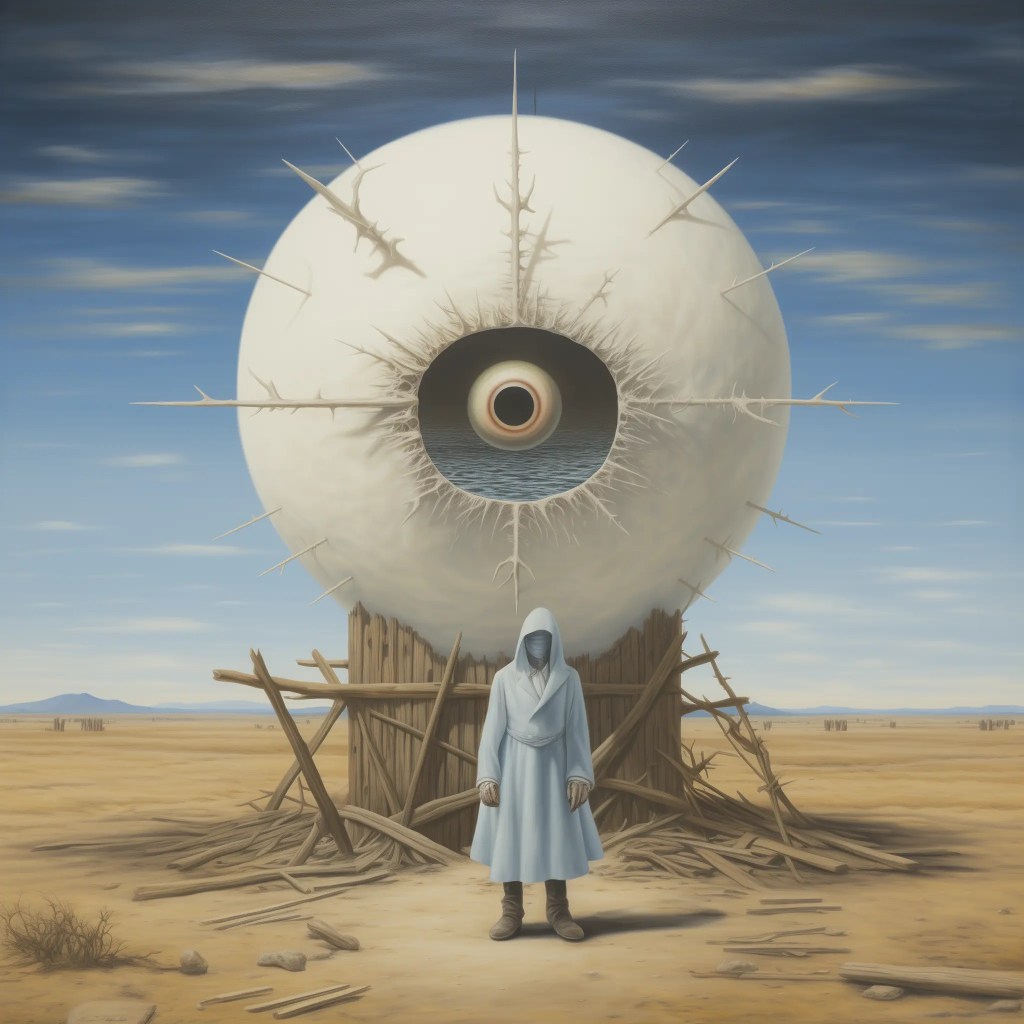
In a world where reality often blurs into fantasy, Magical Realism emerges as a captivating genre. Like a mirror held up to the complexities of existence, it reflects a reality intertwined with the mystical, weaving a tapestry where the mundane dances with the miraculous. This genre offers more than just an artistic or literary style; it is a lens through which the unfathomable aspects of our world become discernible. As we embark on this exploration of Magical Realism, we find ourselves in a landscape where the impossible is rendered possible, where the everyday is reimagined to reveal its hidden wonders.
- History of Magical Realism
- Definition of Magical Realism
- Major Artists and Their Contributions
- Deconstruction
- Visual Examples
- More Resources
History of Magical Realism
Magical Realism, a genre that masterfully blends the ordinary with the mystical, has a history as rich and complex as its narratives. It first emerged in the 1920s in Germany, positioned as a counterpoint to the prevailing avant-garde emphasis on individual subjectivity. This original movement gravitated towards a more nuanced exploration of existence, often through detailed and unusual perspectives.
The genre’s defining characteristics and philosophies migrated to Latin America, where it underwent significant evolution. By the 1940s, it had become a prominent force in the region, notably influencing both literature and visual arts. Artists like Frida Kahlo skillfully blended elements of the real and the fantastical in their works, creating vivid, thought-provoking pieces.
In the 1960s, Magical Realism garnered global attention, becoming a powerful medium for political and cultural critique, particularly in Latin America. It served as a unique vehicle for authors and artists to convey complex ideas about society, culture, and politics, often through allegorical and fantastical narratives. The genre’s influence spread far beyond its literary and artistic origins, touching various forms of media and resonating with creators and audiences around the world.
This rich history of Magical Realism, marked by its geographical and cultural journey, showcases its enduring appeal and versatility as a genre that continues to inspire and provoke thought across different mediums and societies.
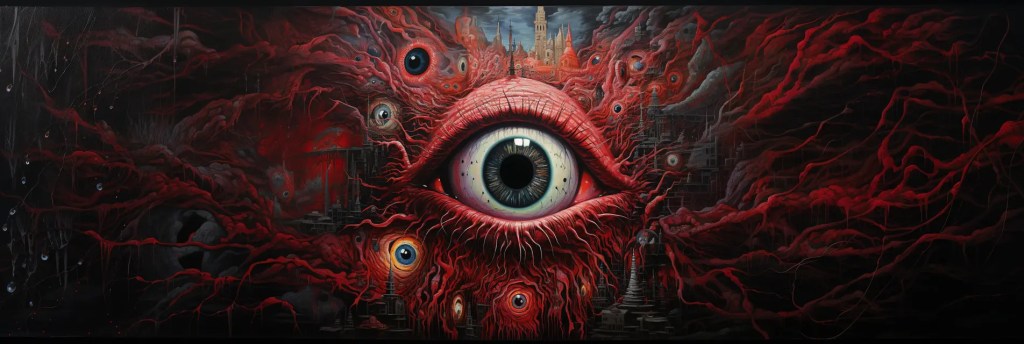
Definition of Magical Realism
In the realm of visual arts, Magical Realism emerges as a genre where the ordinary blends seamlessly with the fantastical. It challenges the viewer’s perception of reality by presenting everyday scenes infused with elements of fantasy, creating a visually rich narrative that transcends the mundane.
Unlike its literary counterpart, Magical Realism in visual arts focuses less on the narrative and more on the visual juxtaposition of the realistic and the magical. Artists often employ meticulous detail, unusual perspectives, and a vivid palette to depict scenes that, while grounded in reality, are veiled with an aura of mystery and wonder.
The genre’s power in visual arts lies in its ability to symbolize and comment on real-world issues through allegorical imagery. By integrating fantastical elements into realistic settings, artists can explore themes of alienation, societal critique, and the complexities of the human condition in a more nuanced and approachable manner. This approach allows for a more universally understood and relatable depiction of themes, without relying on specialized knowledge or fantastical narratives.
Magical Realism in visual arts, therefore, stands as a unique and compelling genre. It offers artists a distinctive tool to explore and express the intricacies of life, culture, and society, enabling them to convey deeper meanings and provoke thought in a visually engaging and imaginative manner.
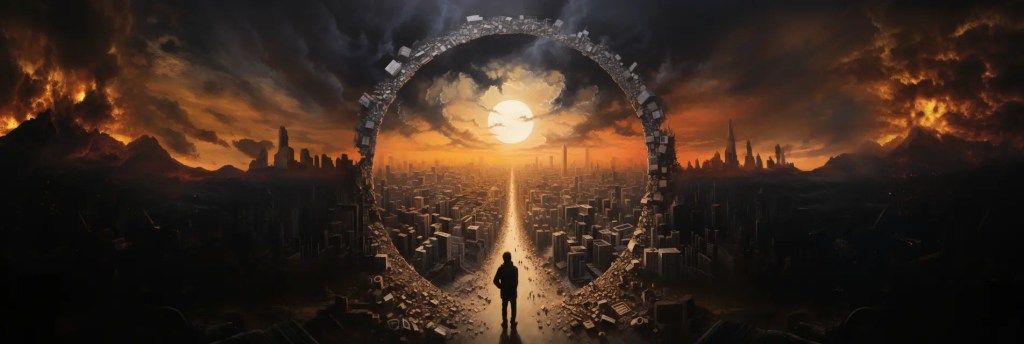
Major Artists and Their Contributions
Frida Kahlo
Kahlo, a luminary in the Magical Realism genre, utilized her canvases as a confluence of personal narrative and fantastical elements. Her works often featured self-portraits interwoven with symbolic motifs, merging her own life experiences with surreal imagery. This approach not only pioneered the incorporation of Magical Realism in visual arts but also offered a profound introspection into the human psyche, particularly in exploring themes of identity, pain, and femininity.
Contributions: Kahlo’s contributions to Magical Realism were significant in their emotional depth and vivid imagery. Her ability to portray complex personal and emotional landscapes through surreal elements opened new avenues in art for expressing internal realities. Her paintings, rich in symbolism and imbued with a dream-like quality, have had a lasting impact on how narrative and identity are explored in visual arts.
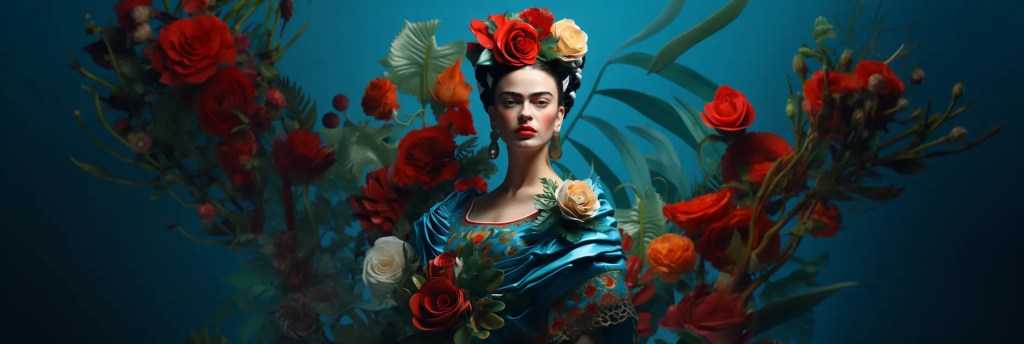
Ivan Albright
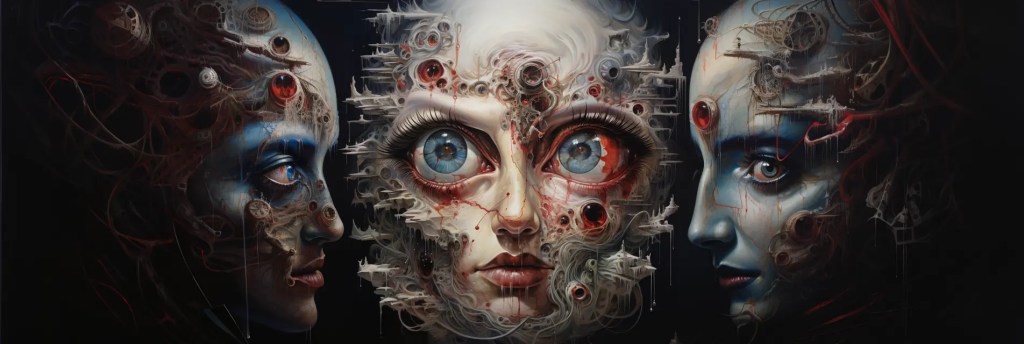
Albright’s contributions to Magical Realism in American visual arts were marked by his meticulous attention to detail and a penchant for exploring the darker aspects of human nature. His works often depicted themes of decay, aging, and the macabre, intertwining these elements with a surreal, almost haunting aesthetic.
Contributions: Albright’s art offered a unique perspective on Magical Realism by delving into the more somber and introspective aspects of life. His exploration of time’s passage and the human condition through a magical realist lens provided a stark contrast to more traditional interpretations of the genre, thus expanding its thematic and stylistic boundaries.
George Tooker
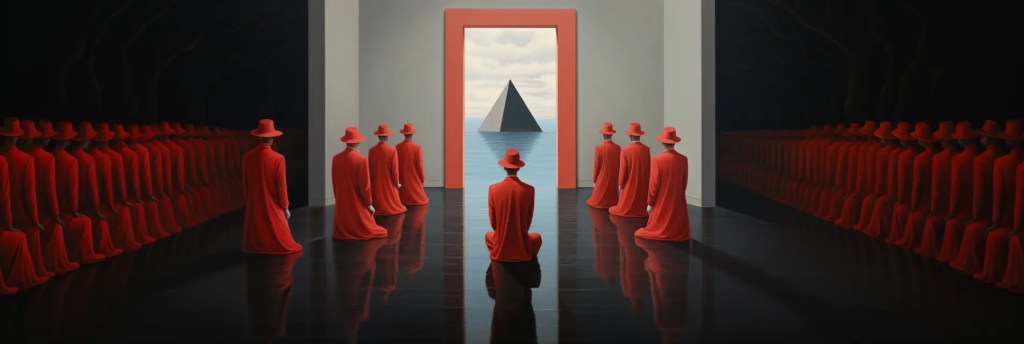
Tooker’s works in the Magical Realism genre were distinguished by their exploration of modern alienation and isolation. His paintings, often characterized by eerie, dream-like settings and a soft, luminous use of color, captured the existential dilemmas of the modern era.
Contributions: Through his art, Tooker addressed the complexities of contemporary life, from societal norms to personal struggles, using Magical Realism as a tool for critique and reflection. His ability to depict the intangible feelings of disconnection and longing within everyday settings has contributed significantly to the genre, offering a poignant commentary on the human experience in the modern world.
Deconstruction
In the visual style of Magical Realism, everyday scenes are rendered with a meticulous, often hyperrealistic detail, yet infused with surreal, dreamlike elements that disrupt the familiar. This style employs a vivid color palette and unusual perspectives to create a sense of wonder and ambiguity, blurring the lines between the real and the fantastical. The resulting imagery, rich in symbolism and emotion, invites viewers to delve deeper into the narrative, uncovering layers of meaning within the ordinary. Keep in mind that the genre of Magical Realism can utilize any medium, the style of contrasting real and fantastical is the most important part.
| Technique | Description |
| Figurative representation | Depicting human form |
| Perspective distortion | Altering spatial perception |
| Color saturation | Intense, vivid colors |
| Allegorical imagery | Representing abstract concepts |
| Contrast juxtaposition | Placing opposites together |
| Subtle surrealism | Understated fantastical elements |
| Chiaroscuro | Strong contrasts of light and dark |
| Visual metaphor | Imagery symbolizing something else |
| Symbolism | Using symbols to convey ideas |
| Realistic portrayal | Lifelike, accurate representation |
| Medium | Description |
| Oil Paint | Traditional paint medium using oil-based pigments. |
| Acrylic Paint | Fast-drying paint made of pigment suspended in acrylic polymer. |
| Mixed media | Combination of mediums |
| Watercolor | Transparent, fluid paint medium |
| Charcoal drawing | Black carbon for sketching and shading |
| Gouache | Opaque watercolor paint |
| Photography | Capturing images with a camera |
| Digital art | Artwork created using digital tools |
| Style | Description |
| Surreal | Blending dream and reality |
| Dreamlike | Ethereal, otherworldly quality |
| Symbolic | Rich in deeper meanings |
| Hyperrealistic | Hinting at the supernatural |
| Mystical | Focus on consumer goods and materialism. |
| Juxtaposed | Contrasting elements side by side |
| Otherworldly | Not of this world |
| Flat Imagery | Lack of depth or perspective, emphasizing surface. |
| Ethereal | Delicate, light, not earthly |
| Whimsical | Playfully quaint or fanciful |
Visual Examples
Let’s experiment!
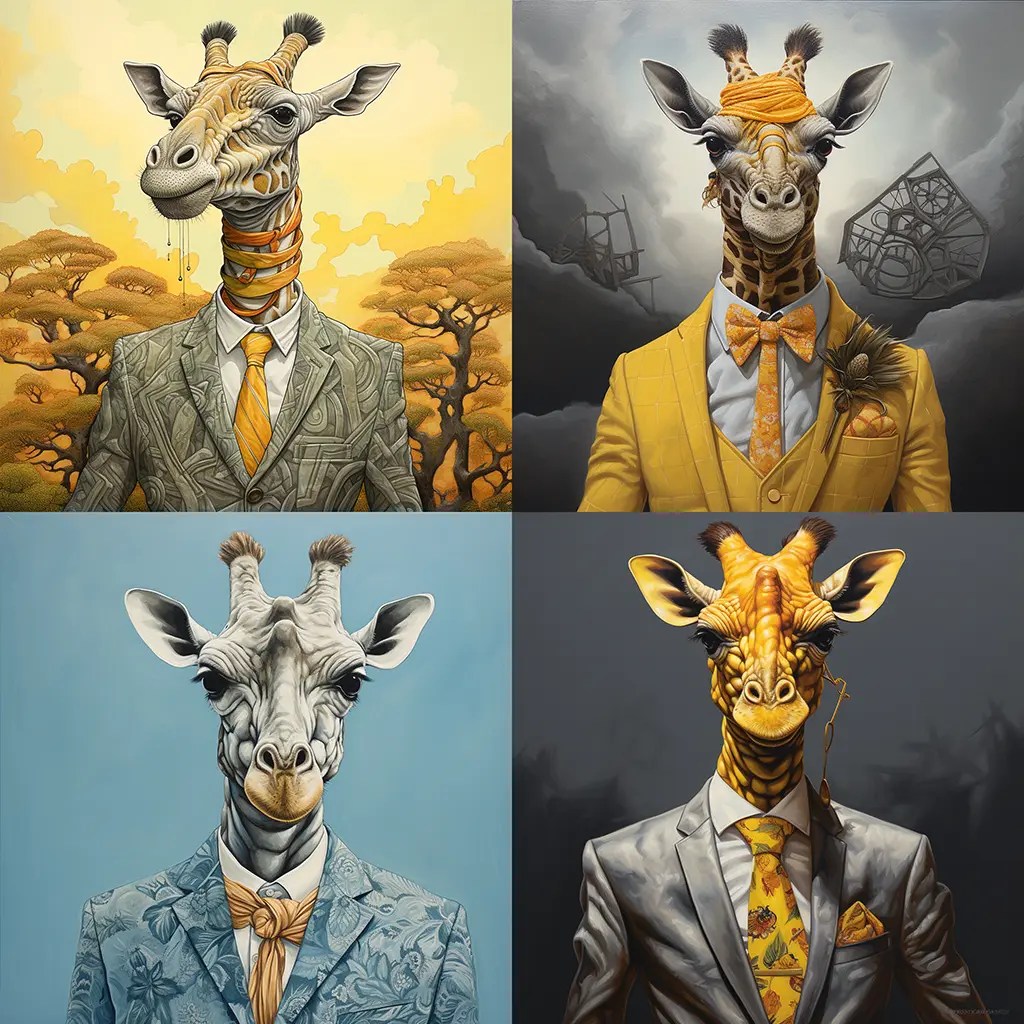
/imagine prompt: anthromorphic giraffe wearing a necktie and suit gouache:: mystical everyday, surreal blending of reality, dreamlike imagery, vivid, unexpected contrasts, intricate detailing, realistic textures, enchanting ambiguity, fantastical ordinary, cultural synthesis:: --chaos 20 --stylize 125
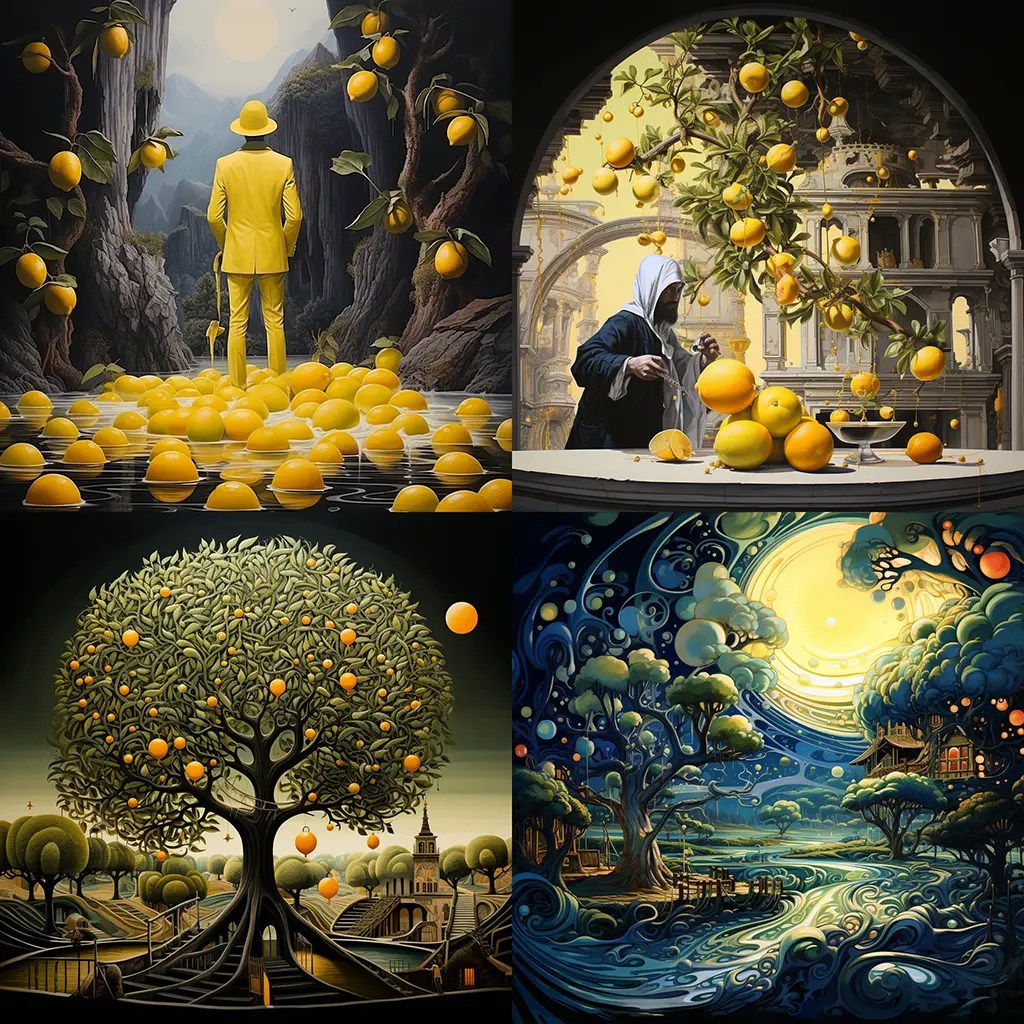
/imagine prompt: the sage and the lemon tree gouache:: mystical everyday, surreal blending of reality, dreamlike imagery, vivid, unexpected contrasts, intricate detailing, realistic textures, enchanting ambiguity, fantastical ordinary, cultural synthesis:: --chaos 20 --stylize 125
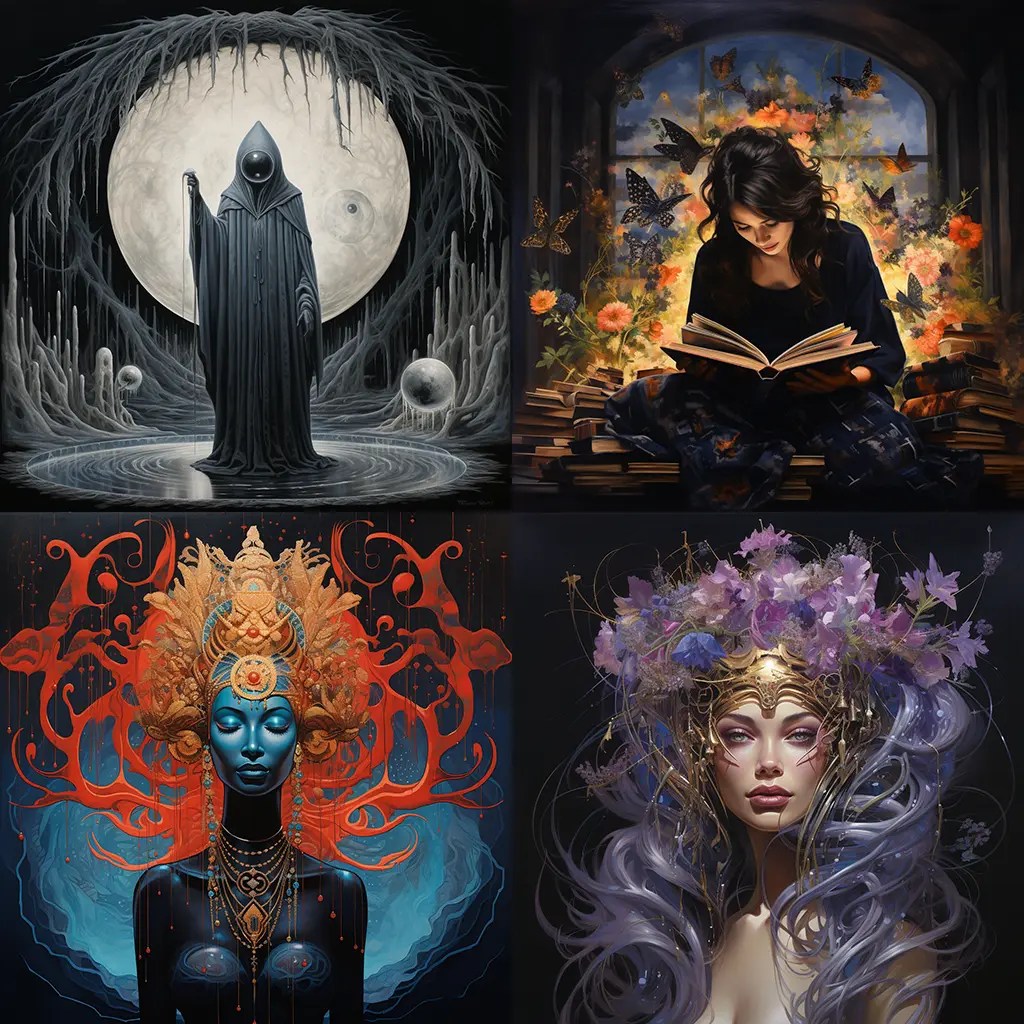
/imagine prompt: the oracle is a fount of wisdom acrylic:: mystical everyday, surreal blending of reality, dreamlike imagery, vivid, unexpected contrasts, intricate detailing, realistic textures, enchanting ambiguity, fantastical ordinary, cultural synthesis:: --chaos 20 --stylize 125
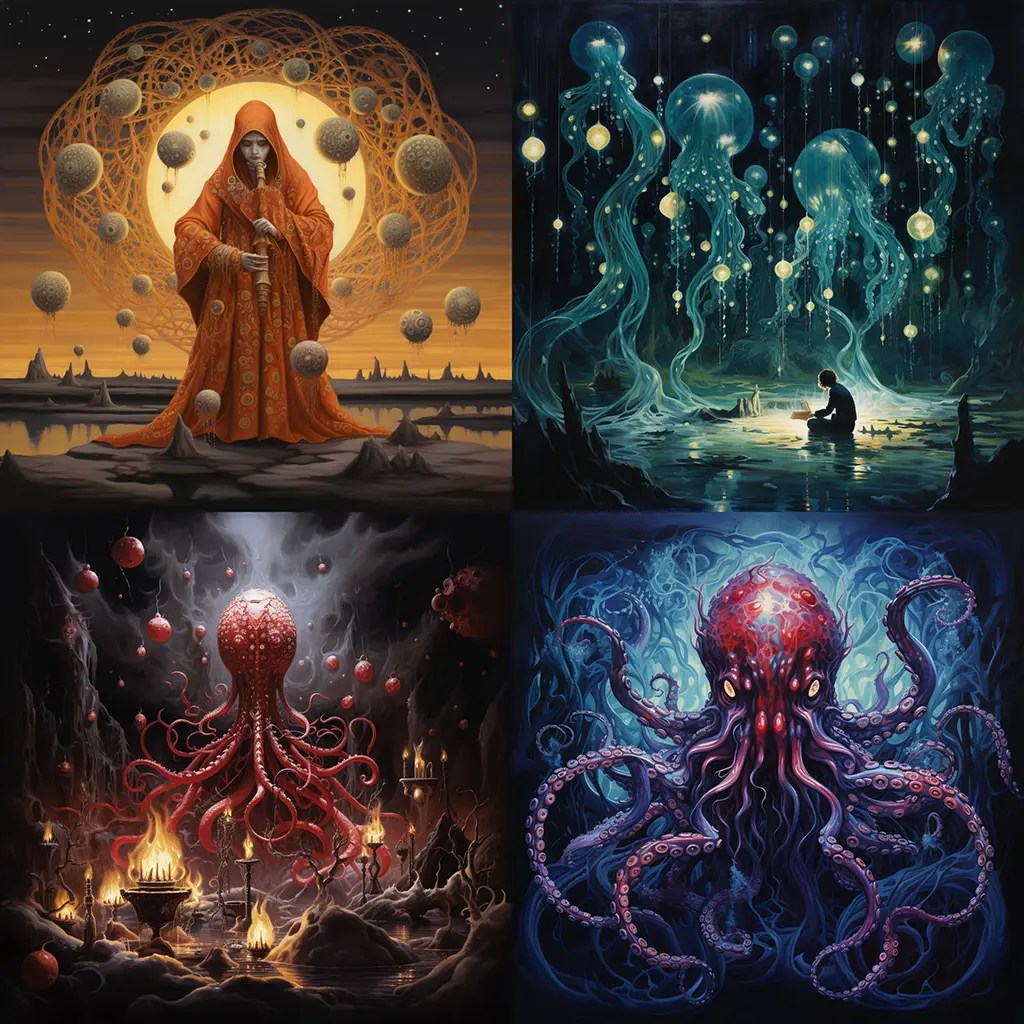
/imagine prompt: the octopus oracle is a fount of wisdom gouache:: mystical everyday, surreal blending of reality, dreamlike imagery, vivid, unexpected contrasts, intricate detailing, realistic textures, enchanting ambiguity, fantastical ordinary, cultural synthesis:: --chaos 20 --stylize 125
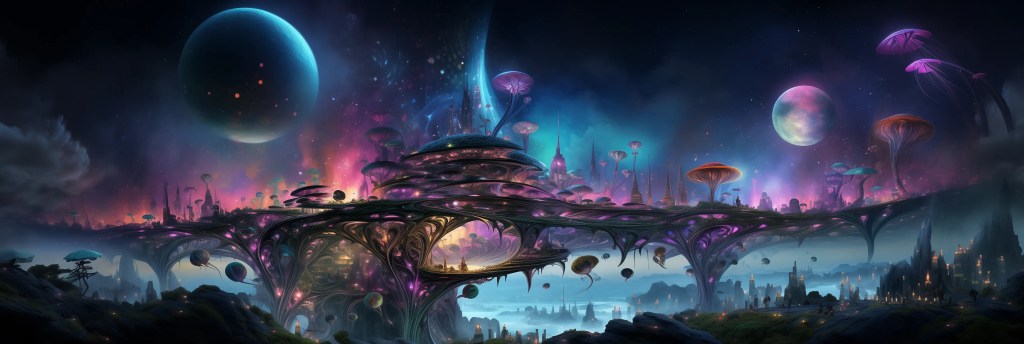
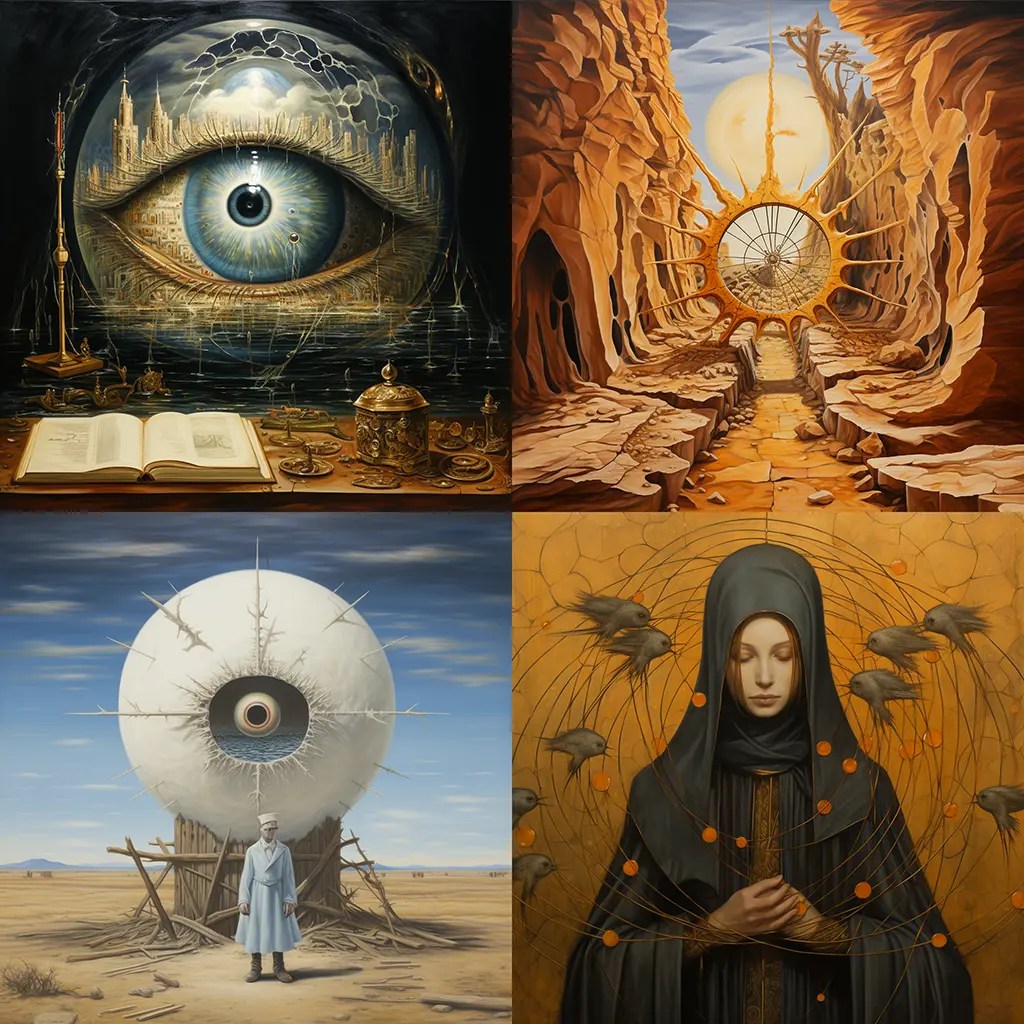
/imagine prompt: the end of the world as we know it:: magical realism, surreal, haunting imagery, soft, luminous tones, meticulous, precise details, careful, smooth brushwork:: introspective unease, social commentary, existential themes, egg tempera on wood::2 --chaos 20 --stylize 125
I hope you found this breakdown of the Magical Realism style helpful! If so, subscribe to my newsletter below and you will be updated when the next article comes out. If there is a particular style you would like me to deconstruct, let me know in the comments; any thoughts or ideas are welcome.
More Resources
If you are newer to Midjourney or Discord see Midjourney: Get started and Setting Up Discord.
If you need more help with prompting see the prompting guide or check out these premade prompts.
If you need help fixing/perfecting an image see this guide.
If you are interested in AI art see here and here.

 Art Method Lab
You must be logged in to post a comment.