
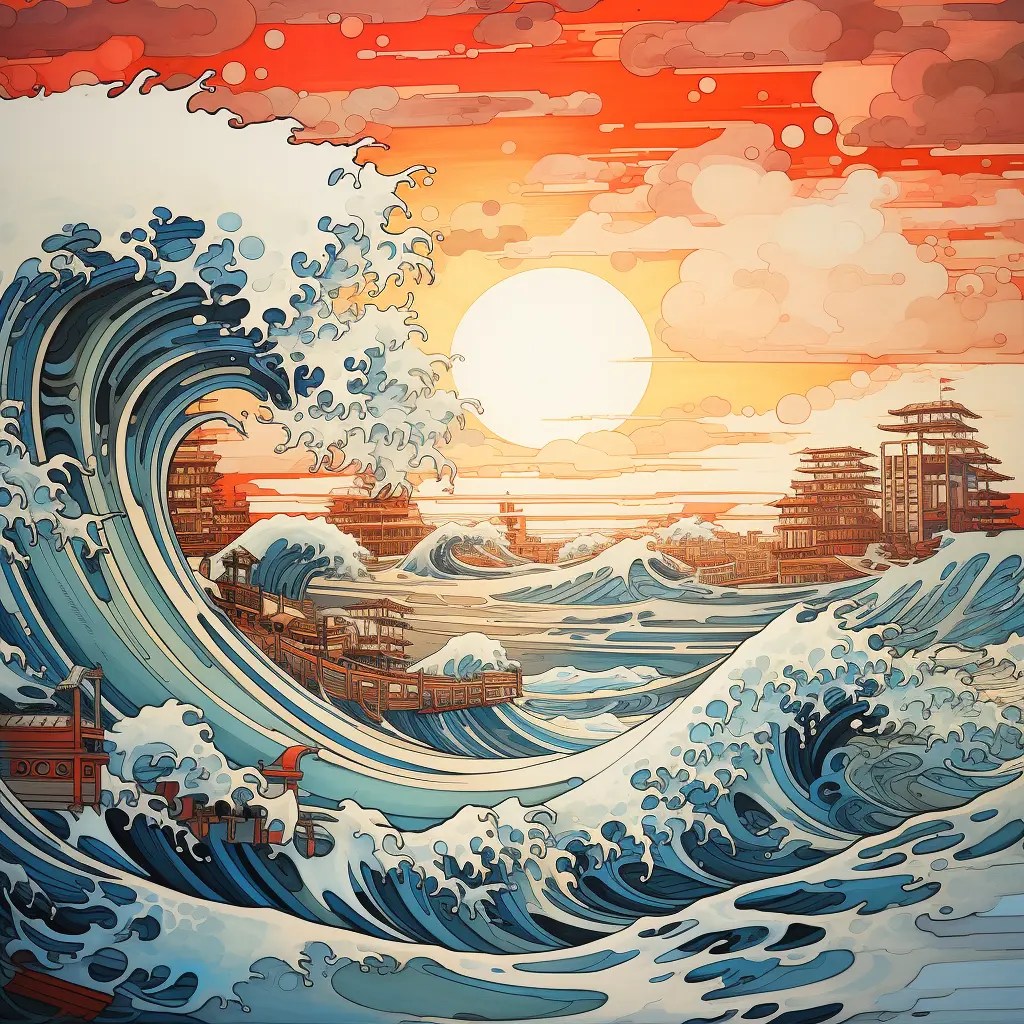
In a world where art often mirrors life, few styles capture this symbiosis as vividly as Ukiyo-e. Originating from the land of the rising sun, Ukiyo-e, or “pictures of the floating world,” presents a unique window into the soul of Edo-period Japan. This artistic genre, a fusion of vibrant colors, eloquent lines, and profound storytelling, offers more than just visual delight; it’s a journey into a bygone era’s heart. As we delve into the mesmerizing world of Ukiyo-e, let us ponder: How does this timeless art form encapsulate an entire culture’s ethos, dreams, and realities?
- History of Ukiyo-e
- Definition of Ukiyo-e
- Subgenres of Ukiyo-e
- Major Artists and Their Contributions
- Deconstruction
- Visual Examples
- More Resources
History of Ukiyo-e
The history of Ukiyo-e is a tapestry woven from Japan’s dynamic cultural and political transformations. Emerging in the 17th century, Ukiyo-e flourished during a time when Japan, emerging from the tumultuous Sengoku period, found peace under the Tokugawa Shogunate. This newfound stability, coupled with the urbanization of Edo (now Tokyo), catalyzed an artistic renaissance. Ukiyo-e, initially reflecting Buddhist themes of transience, evolved to celebrate the hedonistic and aesthetic pleasures of Edo’s urban life. The innovative woodblock printing technique allowed for mass distribution, bringing this art form into the daily lives of many, and setting the stage for its enduring legacy.
Definition of Ukiyo-e
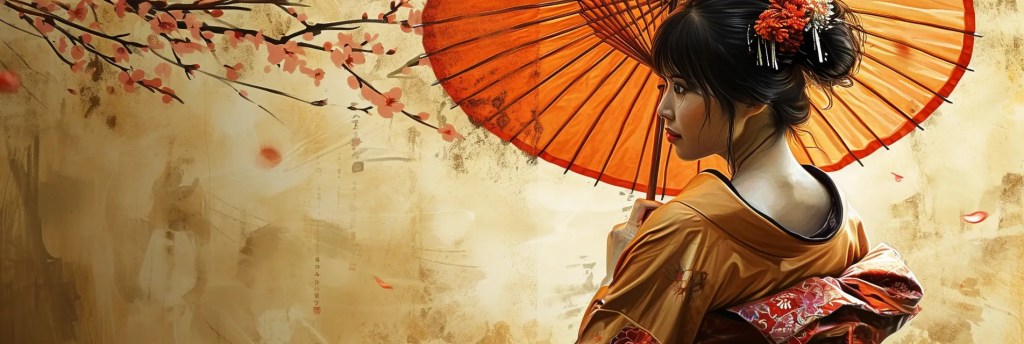
Ukiyo-e, translating to “pictures of the floating world,” embodies a distinctive art form that emerged in Japan during the Edo period. It encapsulates the era’s hedonistic allure and the natural beauty of its landscapes. Initially, Ukiyo-e art was steeped in the Buddhist concept of life as ephemeral and illusory, symbolizing the transient nature of existence. However, as time progressed, its focus shifted to celebrate life’s worldly pleasures. Ukiyo-e’s defining characteristics include aerial perspectives, precise details, clear outlines, and flat color applications, continuing the tradition of earlier yamato-e Japanese art. This genre not only portrayed the leisurely aspects of life but also became a medium for documenting the era’s aesthetics, spirituality, and cultural narratives.
Subgenres of Ukiyo-e
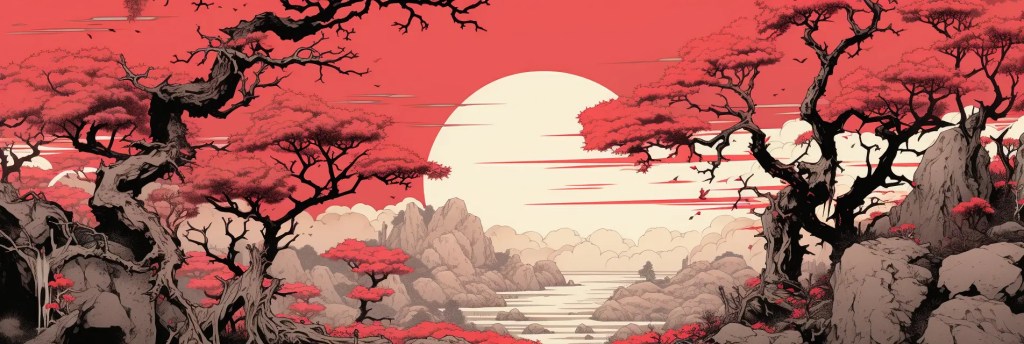
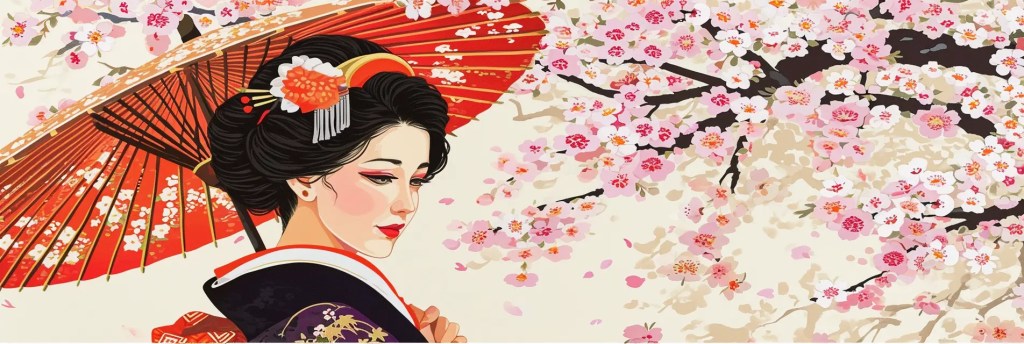
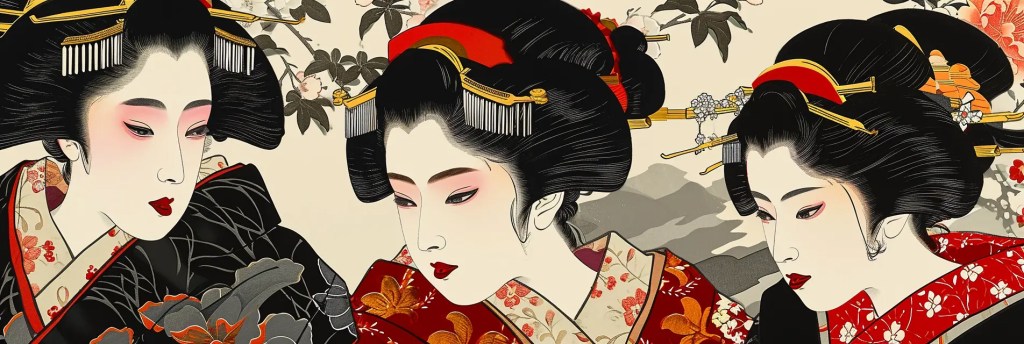
Bijin-ga: This subgenre focuses on beautiful women, often depicting them in various daily activities or leisurely pursuits, highlighting the beauty standards of the time.
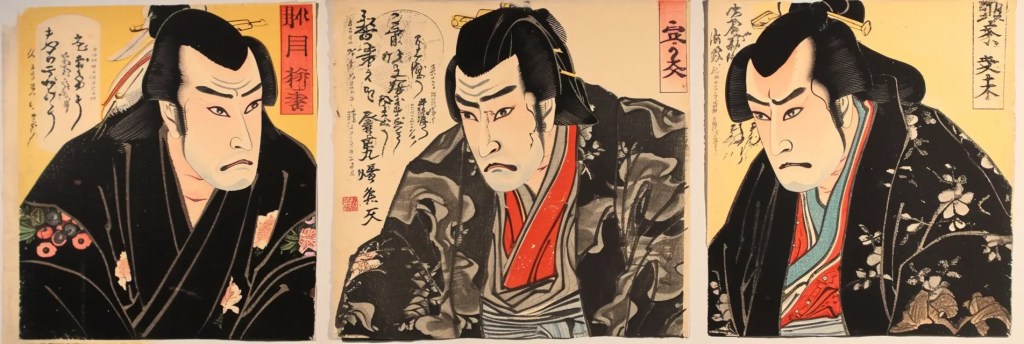
Yakusha-e: This category centers on Kabuki actors, capturing their dramatic expressions and elaborate costumes, thereby immortalizing theatrical performances of the Edo period.
Kachō-ga: Focused on nature, Kachō-ga showcases birds and flowers, reflecting the Japanese appreciation for the delicate beauty of the natural world.
Landscape: These prints depict iconic natural landscapes, like Mount Fuji, celebrating the serene and majestic aspects of Japan’s geography.
Major Artists and Their Contributions
Katsushika Hokusai
Hokusai’s masterpiece, “The Great Wave off Kanagawa,” is a defining image of Ukiyo-e. His series, “36 Views of Mount Fuji,” showcases his mastery in capturing nature’s dynamic essence, influencing not just Eastern art but also the Western art scene.
Tōshūsai Sharaku
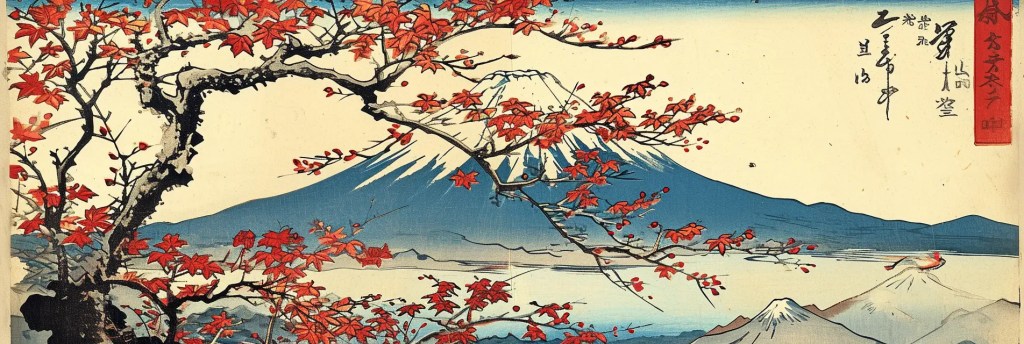
Sharaku specialized in portraying Kabuki actors, with works like “Ōtani Oniji III as Yakko Edobei in The Colored Reins of a Loving Wife” being iconic. His ability to capture the dramatic flair of Kabuki theatre made a significant mark in Ukiyo-e’s evolution.
Kitagawa Utamaro
Known for “Two Beauties with Bamboo,” Utamaro excelled in depicting female beauty. His prints, celebrated both in Japan and Europe, played a crucial role in popularizing Ukiyo-e’s bijin-ga genre, influencing future generations of artists.
Deconstruction
In this deconstruction section, we’ll delve into the quintessence of Ukiyo-e’s style, a style characterized by its vivid storytelling, elegant simplicity, and profound connection to nature and everyday life. We will explore how these artworks encapsulate an era through their unique visual language, blending bold lines, flat coloration, and poetic imagery.
Ukiyo-e Style
| Term | Description |
|---|---|
| Flat Coloration | Lack of shading, creating a two-dimensional effect |
| Asymmetry | Unbalanced compositions for dynamic visual interest |
| Simplicity | Minimalist approach emphasizing key details |
| Nature-focused | Frequent portrayal of natural elements like landscapes and flora |
| Elegance | Graceful, refined presentation of subjects |
| Expressive Lines | Bold, clear lines conveying movement and emotion |
| Symbolism | Use of symbols to convey deeper meanings |
| Vibrant | Rich and vivid color schemes |
| Detail-Oriented | Attention to intricate details in subjects |
| Seasonal Themes | Depiction of seasonal changes and events |
| Urban Scenes | Illustration of city life and culture |
| Geometric Patterns | Use of geometric shapes in compositions |
| Monochromatic Tones | Use of single color variations in some prints |
Ukiyo-e Technique
| Term | Description |
|---|---|
| Woodblock Printing | Carving images into wood blocks for printing |
| Overlapping Layers | Applying colors in layers for depth |
| Gradation | Subtle color transitions within prints |
| Bokashi | Blurring technique for smooth transitions |
| Kento Marks | Alignment marks for color registration |
| Carving | Detailed hand-carving for intricate designs |
| Hand Rubbing/Hand Burnishing | Rubbing to transfer ink from wood to paper |
| Mica Backgrounds | Use of mica for shimmering effects |
| Sumizuri-e | Early black ink monochrome prints |
| Embossing | Creating raised textures on the paper |
| Perspective Tricks | Techniques to create depth and dimension |
| Ink Modulation | Varying ink density for effect |
| Stenciling | Using stencils for repeated patterns |
Ukiyo-e Medium
| Term | Description |
|---|---|
| Washi Paper | Traditional Japanese paper used for printing |
| Metal Pigments | Use of gold, silver for embellishment |
| Sumi Ink | Black ink made from soot and glue |
| Watercolors | Used for adding color to prints |
| Prussian Blue | Imported pigment for vibrant blues |
| Shell White | White pigment for highlights and details |
| Bamboo Brushes | Used for fine detail work |
| Mineral Colors | Inks made from ground minerals |
| Gold Leaf | Applied for decorative effects |
| Silk Screens | Occasionally used for printmaking |
| Gofun | White pigment made from ground shells |
Visual Examples
Time to experiment! Try mixing this style with other styles you know!
/imagine prompt: naga with glittering scales japanese mythology:: woodblock print, ink modulation, gold leaf, prussian blue, expressive lines, detail oriented, japanese mythology::0.5 --chaos 20 --v 6.0
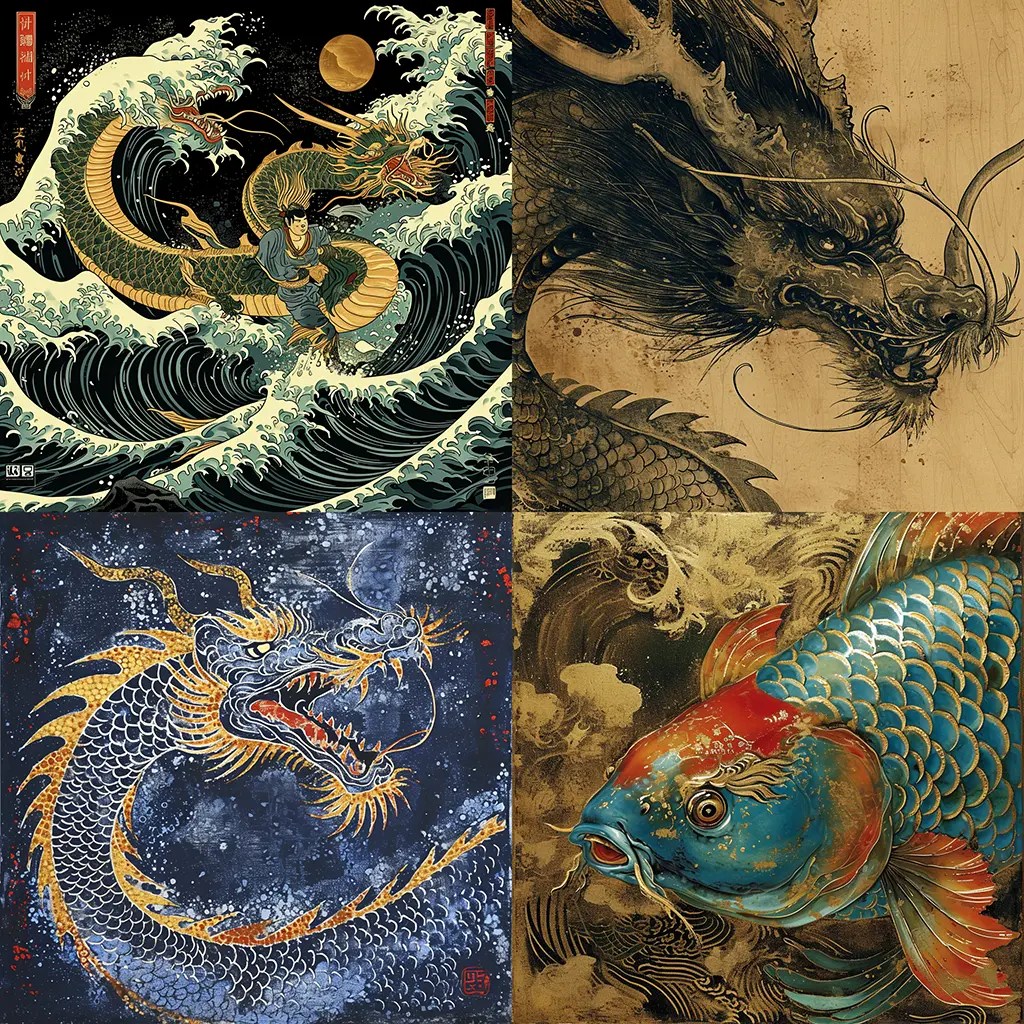
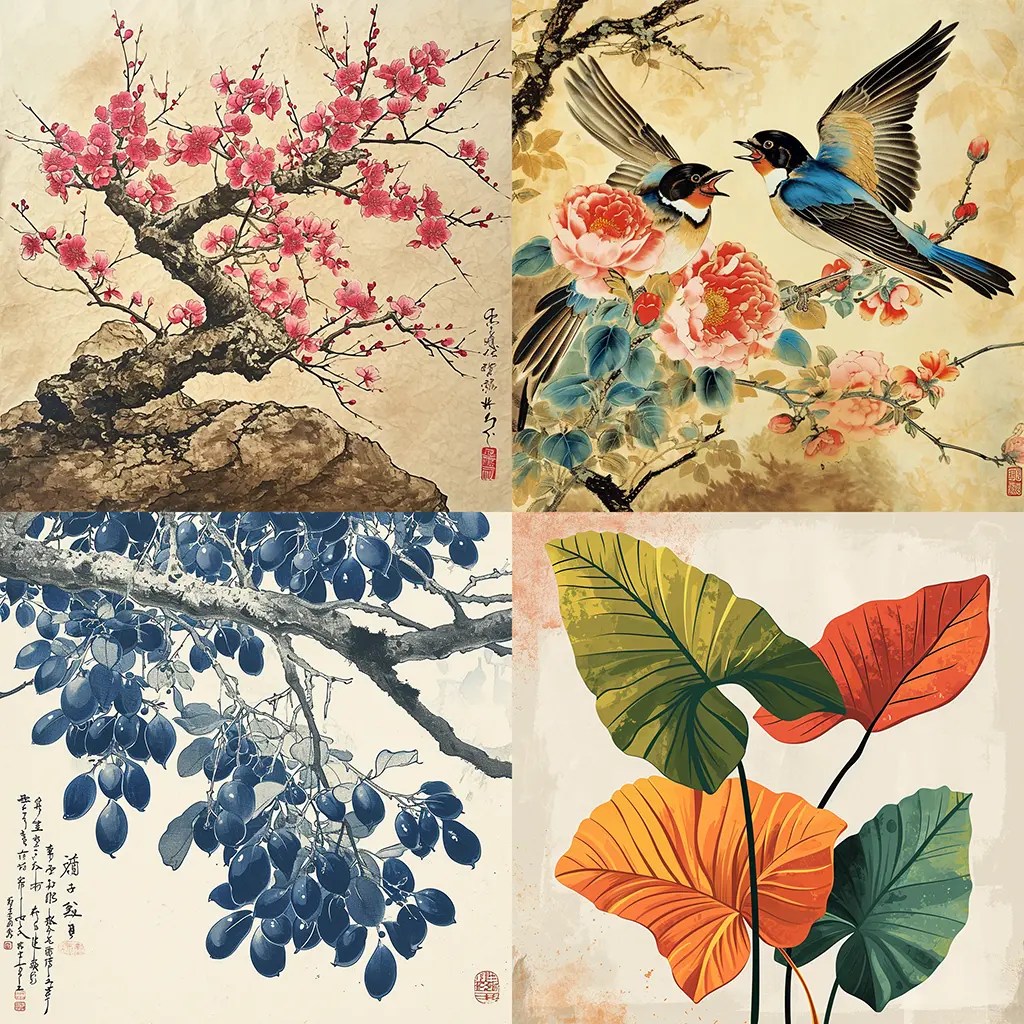
/imagine prompt: botanical illustration:: woodblock print, bold outlines, flat color areas, asymmetrical composition, nature-focused, serene mood, traditional Japanese genre::1.25 --chaos 20 --stylize 125 --no woman, person --v 6.0
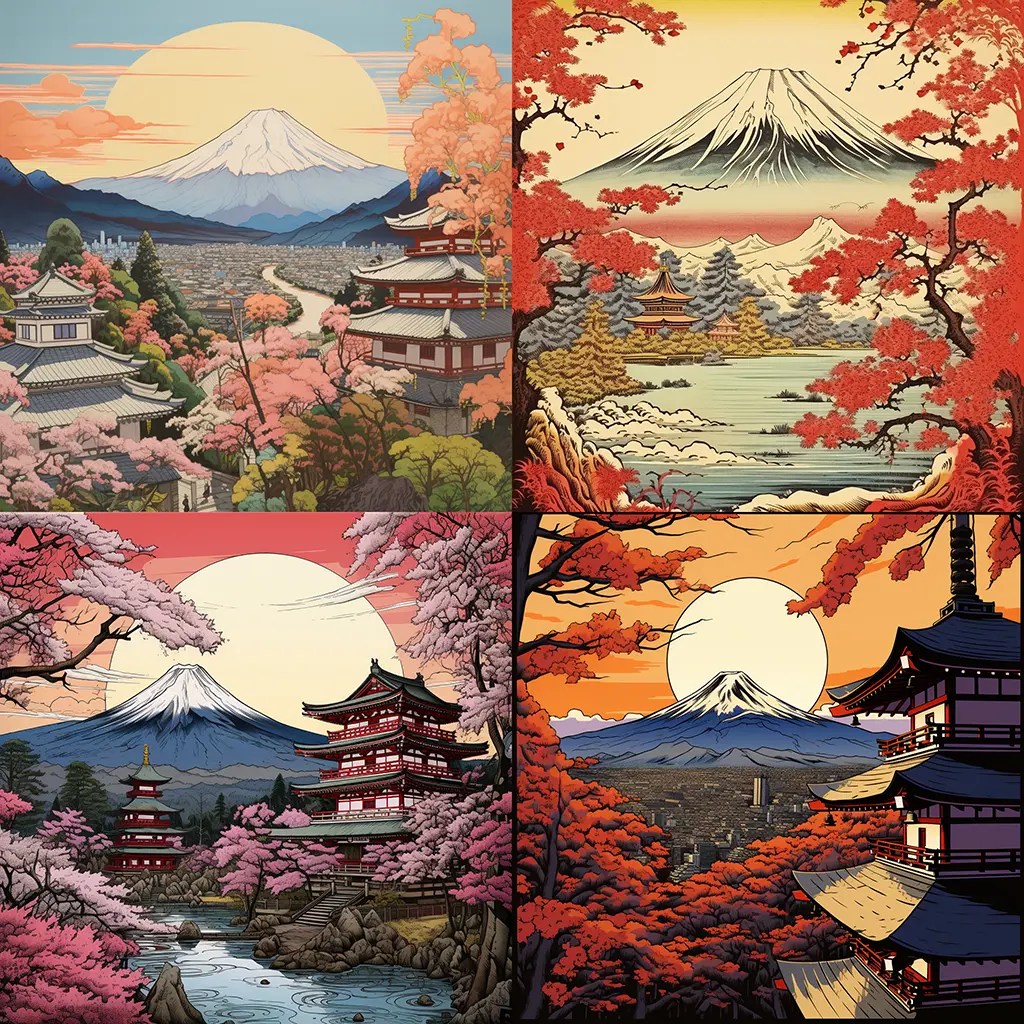
/imagine prompt: Mount Fuji:: woodblock print, vibrant color palette, dynamic composition, detailed landscapes, strong linework, expressive, traditional Japanese scenery::0.5 --chaos 20 --stylize 125 --v 5.2 --no wave
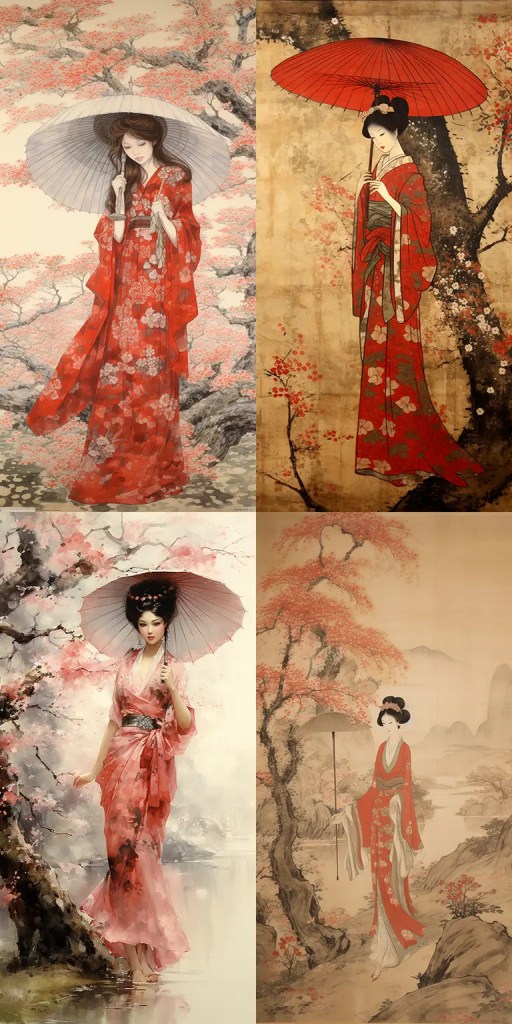
/imagine prompt: woman with parasol under a cherry blossom tree:: woodblock printing, intricate patterns, graceful figures, soft color palette, elegant pose, peaceful, traditional Japanese portrait:: --chaos 20 --stylize 125 --ar 1:2 --v 5.2
What do you think of this deconstruction of Ukiyo-e? If this information is helpful, subscribe to my newsletter below so that you can be updated when the next article comes out. If there is a particular style you would like me to deconstruct, let me know in the comments; any thoughts or ideas are welcome.
More Resources
If you are newer to Midjourney or Discord see Midjourney: Get started and Setting Up Discord.
If you need more help with prompting see the prompting guide or check out these premade prompts.
If you need help fixing/perfecting an image see this guide.
If you are interested in AI art see here and here.


 Art Method Lab
You must be logged in to post a comment.